
Introduction
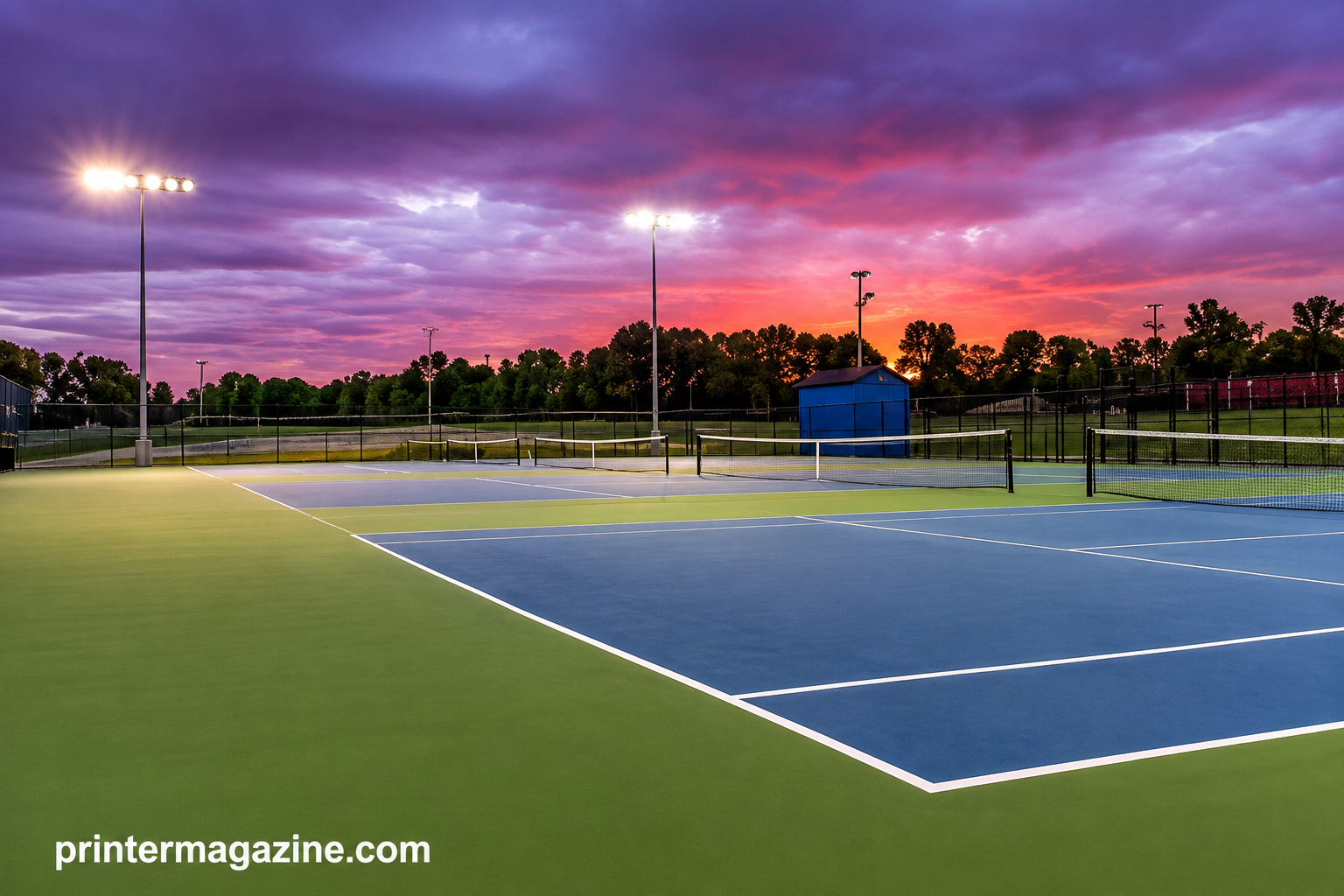
Tennis courts and the environments built around them play a major role in shaping the experience of players, coaches, and spectators alike. Whether someone enjoys casual weekend matches or competes at a professional level, the quality of a tennis court directly affects performance, safety, and enjoyment. From choosing the right surface to understanding maintenance requirements and construction techniques, there is much more to a tennis court than painted lines and a net.
This guide explores everything worth knowing about tennis courts and their different surfaces, dimensions, construction methods, maintenance practices, costs, and future innovations. By the end, readers will have a complete understanding of how tennis courts are designed, why different surfaces matter, and what makes a high-quality playing environment.
Tennis Courts and Complete Guide to Design, Types, and Care
Understanding Tennis Courts and Their Purpose
A tennis court is a carefully measured playing area designed to provide fairness, consistency, and safety for players. Every line, boundary, and surface has a specific purpose established by international tennis regulations. Regardless of whether the court is located at a public park, private residence, school, or professional stadium, the basic dimensions remain standardized.
RED MORE: All-on-4 Dental Implants: A Complete Guide to Restoring Your Smile
Beyond simply providing a place to play, tennis courts create spaces where communities gather, athletes train, and lifelong skills develop. Many people associate tennis with physical fitness, but courts also encourage discipline, strategic thinking, and social interaction. A well-maintained court contributes significantly to the overall playing experience.
Different court environments also influence how people learn the game. Beginners often prefer slower surfaces that allow more reaction time, while experienced competitors may enjoy faster courts that reward aggressive play.
Standard Tennis Court Dimensions
Every regulation tennis court follows internationally recognized measurements to ensure consistent gameplay across recreational and competitive levels.
| Court Feature | Standard Measurement |
|---|---|
| Court Length | 78 feet (23.77 m) |
| Singles Width | 27 feet (8.23 m) |
| Doubles Width | 36 feet (10.97 m) |
| Net Height at Center | 3 feet (0.914 m) |
| Net Height at Posts | 3.5 feet (1.07 m) |
| Service Line Distance | 21 feet from the net |
These measurements remain identical whether the court uses clay, grass, acrylic, or synthetic materials. The consistency allows players to transition between facilities without adjusting to different court sizes.
Tennis Courts and Surface Types
One of the most fascinating aspects of tennis is how different playing surfaces completely change the style of the game. The same player may perform differently depending on the court beneath their feet.
Hard Courts
Hard courts are among the most common surfaces worldwide. Typically constructed from concrete or asphalt and finished with acrylic coatings, they offer a balanced combination of speed and bounce.
Professional tournaments frequently use hard courts because they provide reliable playing conditions regardless of weather. These courts also require less maintenance than natural surfaces.
Hard courts reward players with strong serves, powerful groundstrokes, and consistent footwork. They provide predictable ball movement, making them ideal for beginners and professionals alike.
Clay Courts
Clay courts slow the ball considerably and produce a higher bounce than hard courts. Players often engage in longer rallies because winners are more difficult to hit.
Sliding becomes an important part of movement on clay, requiring different footwork techniques than other surfaces. Patience, endurance, and tactical shot placement often determine success.
Many legendary matches have taken place on clay, showcasing incredible athleticism and strategic play.
Grass Courts
Grass courts represent the traditional roots of tennis. The surface creates low ball bounces and faster rallies, encouraging aggressive serving and quick net approaches.
Maintaining natural grass requires significant expertise. Daily mowing, watering, fertilization, and repair are necessary to keep the surface healthy throughout the playing season.
Although fewer grass courts exist today, they remain highly respected due to their history and unique playing characteristics.
Synthetic and Artificial Courts
Modern synthetic surfaces combine durability with lower maintenance costs. They are commonly installed at schools, clubs, and recreational centers.
These courts can imitate the playing characteristics of clay or grass while offering improved weather resistance. Their versatility has made them increasingly popular for multi-purpose sports facilities.
Indoor vs. Outdoor Tennis Courts
Indoor and outdoor facilities each provide distinct advantages depending on climate and intended use.
Indoor courts eliminate weather interruptions, allowing year-round play regardless of rain, snow, or excessive heat. Lighting systems ensure consistent visibility, while climate control provides comfortable playing conditions.
Outdoor courts offer fresh air and natural lighting, creating a more traditional tennis experience. They generally cost less to construct than indoor complexes and require fewer structural components.
Choosing between the two often depends on local weather patterns, available budget, and expected player demand.
Materials Used in Tennis Court Construction
Building a quality tennis court involves far more than pouring concrete and painting lines.
Engineers first prepare a stable foundation capable of supporting years of use without significant movement. Proper drainage systems prevent water accumulation, which can damage surfaces and shorten court lifespan.
Additional construction materials may include:
- Reinforced concrete
- Asphalt foundations
- Acrylic coatings
- Synthetic turf systems
- Clay materials
- Perimeter fencing
- Professional lighting
- Drainage infrastructure
Each material contributes to durability, performance, and long-term maintenance requirements.
Court Lighting and Visibility
Lighting dramatically influences player performance during evening matches.
Modern LED systems provide brighter illumination while consuming less electricity than traditional lighting. Proper placement minimizes shadows and glare, allowing players to track the ball comfortably from every angle.
Well-designed lighting also improves safety by reducing visibility-related accidents. Many community facilities now upgrade older systems to energy-efficient alternatives that lower operating expenses while enhancing player experience.
Fencing and Court Surroundings
The playing surface extends beyond the painted boundaries. Proper fencing keeps balls contained and improves safety for nearby pedestrians.
Most facilities install fences between 10 and 12 feet high using weather-resistant steel or coated chain-link materials. Gates allow controlled access while maintaining security.
Landscaping around tennis courts can also improve aesthetics. Trees, seating areas, and shaded viewing spaces create a welcoming atmosphere for players and spectators alike.
Tennis Courts and Regular Maintenance
Maintaining tennis courts and their surrounding facilities protects both player safety and financial investment.
Routine cleaning removes leaves, dirt, and debris that may affect ball bounce or create slipping hazards. Surface cracks should be repaired early before expanding into larger structural problems.
Different surfaces require different maintenance schedules.
Hard courts benefit from pressure washing and periodic repainting.
Clay courts require frequent rolling, watering, and line brushing.
Grass courts demand mowing, irrigation, fertilization, and seasonal restoration.
Regular inspections help identify drainage issues, net wear, fence damage, and lighting failures before they become expensive repairs.
Cost Factors for Building a Tennis Court
Construction costs vary depending on location, materials, labor, and desired features.
Several major factors influence total investment:
- Surface selection
- Site preparation
- Drainage installation
- Lighting systems
- Fencing
- Seating
- Landscaping
- Maintenance equipment
Indoor courts generally cost significantly more due to roofing, structural engineering, ventilation, and climate control systems.
Although initial costs may appear substantial, quality construction often reduces future repair expenses while increasing court lifespan.
Choosing the Right Court Surface
Selecting the ideal surface depends on playing goals rather than popularity alone.
Competitive athletes often train on the same surface used in upcoming tournaments. Recreational players usually prioritize comfort and lower maintenance.
Schools frequently install hard courts because they accommodate heavy daily use. Tennis clubs may offer multiple surfaces so members can experience different styles of play throughout the year.
Personal preferences, climate, maintenance budget, and expected usage all influence the best choice.
Safety Features Every Court Should Include
Player safety begins long before the first serve.
A properly constructed court includes adequate drainage to prevent standing water. Non-slip surface coatings reduce fall risks during movement.
Additional safety features include padded net posts, smooth fencing, unobstructed run-off areas, and high-quality lighting.
Regular inspections ensure hazards are identified before injuries occur. Investing in preventative maintenance ultimately benefits everyone using the facility.
Environmental Considerations
Modern construction increasingly emphasizes sustainability.
Permeable drainage systems reduce stormwater runoff. Recycled construction materials minimize environmental impact during installation.
LED lighting significantly lowers electricity consumption while extending fixture lifespan. Some facilities even integrate solar-powered lighting systems to reduce long-term operating costs.
Water-efficient maintenance practices have also become important, particularly for clay and grass courts in regions experiencing drought conditions.
Technology Changing Modern Tennis Courts
Innovation continues transforming tennis facilities worldwide.
Advanced court surfaces now improve durability while reducing maintenance requirements. Digital reservation systems simplify scheduling for clubs and public facilities.
Some professional venues use tracking technology capable of analyzing ball placement with remarkable accuracy. Smart lighting systems automatically adjust brightness based on playing conditions, reducing unnecessary energy consumption.
As technology advances, future tennis courts may become even more efficient, sustainable, and enjoyable for players of every skill level.
Why Quality Tennis Courts Matter
A quality tennis court benefits far more than competitive athletes.
Families gain safe recreational spaces. Schools encourage physical education and teamwork. Communities strengthen social connections through leagues and local tournaments.
Well-maintained facilities inspire beginners to continue learning while allowing experienced players to perform confidently. Even small improvements in surface quality, lighting, or maintenance can dramatically enhance the overall experience.
The court itself becomes a foundation for healthy lifestyles, lifelong friendships, and memorable sporting moments.
Conclusion
Tennis courts and their thoughtful design influence every aspect of the game, from player safety and performance to long-term facility value. Whether built with hard, clay, grass, or synthetic surfaces, each court serves a unique purpose while following internationally recognized standards.
Choosing the right materials, maintaining the surface consistently, and investing in quality construction ensure that courts remain enjoyable for years. As technology and sustainable practices continue evolving, modern tennis facilities are becoming more durable, environmentally responsible, and accessible than ever before.
Anyone planning to build, renovate, or simply better understand a tennis court can benefit from knowing how these elements work together. A well-designed court is more than a sports surface—it is a place where skills grow, communities connect, and the love of tennis continues to thrive.
Frequently Asked Questions (FAQs)
1. What is the standard size of a tennis court?
A regulation tennis court measures 78 feet long. Singles courts are 27 feet wide, while doubles courts expand to 36 feet using the additional side alleys.
2. Which tennis court surface is best for beginners?
Hard courts are generally the best option because they provide consistent ball bounce, moderate speed, and relatively simple maintenance, making learning easier.
3. How often should a tennis court be maintained?
Routine cleaning should occur regularly, while inspections and repairs depend on the surface type, usage level, and local weather conditions.
4. Why do professional players perform differently on various court surfaces?
Each surface changes ball speed, bounce height, and player movement. These differences favor certain playing styles and require adjustments in strategy and footwork.
5. How long does a tennis court typically last?
With proper construction and consistent maintenance, a quality tennis court can remain in excellent condition for 20 to 30 years before requiring major reconstruction.