Introduction
Tungsten volfram is one of the most remarkable metals ever discovered. Known for its incredible strength, exceptional heat resistance, and unmatched durability, it plays a critical role in industries ranging from aerospace and electronics to medicine and manufacturing. Although many people recognize the name “tungsten,” fewer know why it is also called “volfram” or why its chemical symbol is W instead of T.
Understanding tungsten volfram offers fascinating insight into modern technology and industrial progress. Whether it’s found inside a light bulb, a cutting tool, an aircraft engine, or advanced medical equipment, this extraordinary metal continues to shape the world in ways that often go unnoticed. This guide explores its history, physical properties, extraction methods, industrial applications, environmental impact, and future potential while explaining why it remains one of the most valuable engineering materials available today.
What Is Tungsten Volfram?
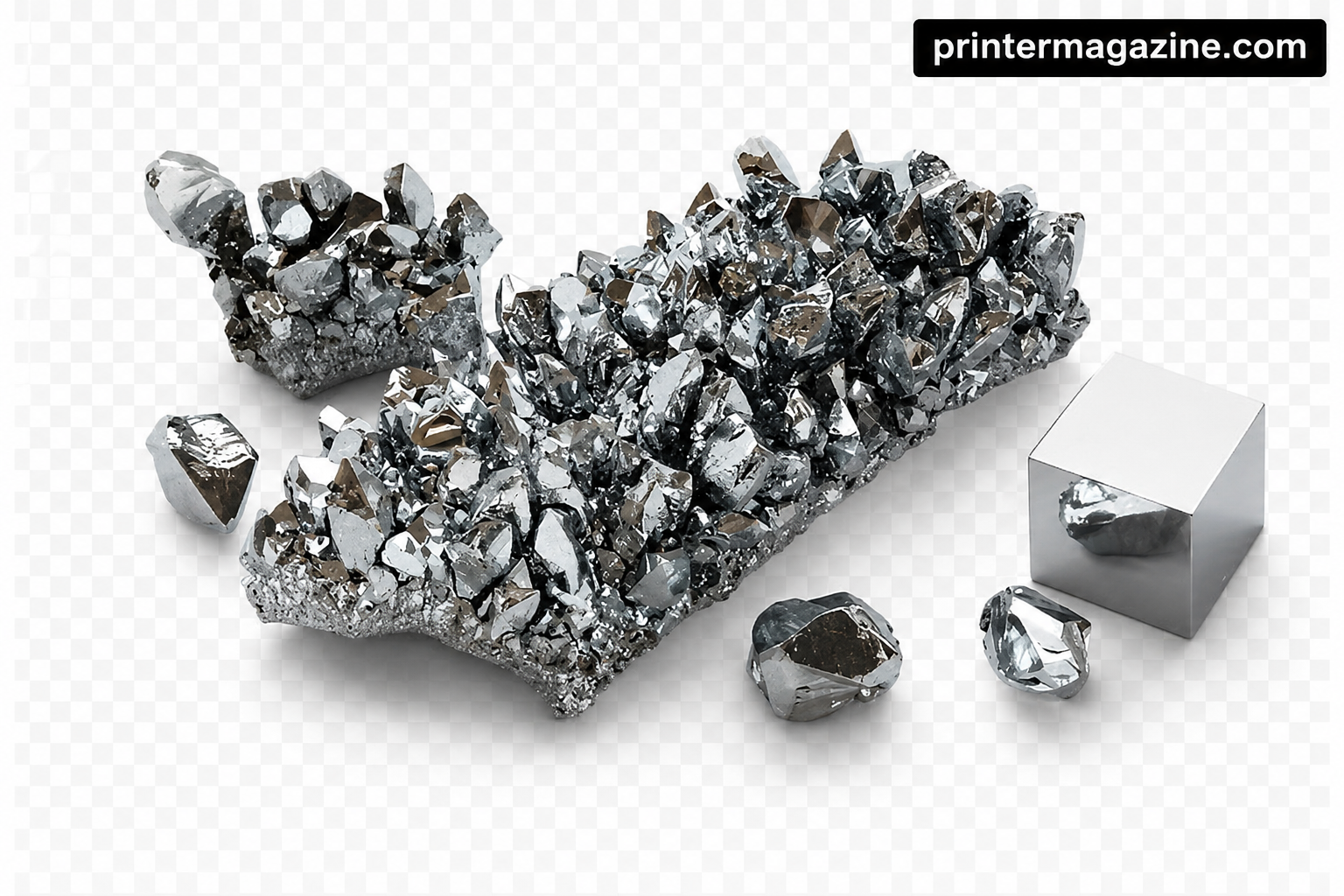
Tungsten, also known as volfram in many European countries, is a naturally occurring metallic element with the chemical symbol W and atomic number 74. The symbol “W” originates from the mineral wolframite, one of the primary ores from which the metal is extracted.
RED MORE: Tennis Courts and Their Design, Types, Maintenance, and Benefits
The name “tungsten” comes from the Swedish phrase meaning “heavy stone,” reflecting the metal’s extremely high density. Meanwhile, “volfram” is derived from German terminology and remains the preferred name in several countries. Regardless of the name, both terms describe the exact same element.
Tungsten is famous for having the highest melting point of all pure metals, making it indispensable wherever materials must withstand extreme temperatures.
Basic Information About Tungsten
| Property | Details |
|---|---|
| Chemical Symbol | W |
| Atomic Number | 74 |
| Common Names | Tungsten, Volfram |
| Color | Grayish-white |
| Density | 19.25 g/cm³ |
| Melting Point | 3,422°C (6,192°F) |
| Boiling Point | 5,555°C (10,031°F) |
| Main Ores | Wolframite, Scheelite |
The History Behind Tungsten Volfram
The story of tungsten began in the 18th century when scientists started investigating unusual heavy minerals. Swedish chemist Carl Wilhelm Scheele first identified the presence of a new element in scheelite ore during the 1780s.
A few years later, Spanish chemists Fausto and Juan José Elhuyar successfully isolated the metal from wolframite, marking the official discovery of tungsten. Since then, the element has become increasingly important as industries demanded stronger and more heat-resistant materials.
During the Industrial Revolution, tungsten dramatically improved cutting tools and machine performance. Later, it became essential in electrical lighting, military technology, aerospace engineering, and countless modern applications.
Why Is It Called Tungsten and Volfram?
The dual naming often causes confusion.
“Tungsten” is primarily used in English-speaking countries, while “volfram” remains common throughout parts of Europe, especially Germany, Spain, Poland, and Scandinavia.
The chemical symbol W honors the historical name “wolfram,” preserving its scientific heritage despite the widespread use of “tungsten.”
Both names are internationally accepted depending on regional preferences.
Physical Properties of Tungsten Volfram
One reason engineers admire tungsten is its extraordinary combination of physical characteristics.
Exceptional Heat Resistance
No other pure metal can tolerate temperatures as high as tungsten. Its melting point exceeds 3,400°C, allowing it to remain solid where nearly every other metal would liquefy.
This property makes it perfect for extreme industrial environments.
Incredible Density
Tungsten is almost as dense as gold. A small block of tungsten feels surprisingly heavy compared to steel or aluminum.
Its density contributes to excellent stability, balance, and radiation shielding.
Outstanding Hardness
Although pure tungsten is relatively brittle, specially manufactured tungsten alloys become remarkably hard and wear-resistant.
These alloys are widely used in industrial cutting equipment.
Excellent Electrical Conductivity
While copper remains the preferred conductor for many applications, tungsten performs exceptionally well under high temperatures where copper would fail.
Chemical Characteristics
Tungsten possesses outstanding chemical stability.
It resists corrosion under normal atmospheric conditions and reacts slowly with oxygen unless heated significantly.
Strong acids generally have little effect on tungsten, making it suitable for chemically demanding environments.
However, under specialized laboratory conditions, tungsten can form various compounds used in catalysts, pigments, and advanced ceramics.
How Tungsten Is Mined
Mining tungsten requires locating economically viable deposits of wolframite or scheelite.
Major mining operations generally follow several stages:
- Exploration and geological surveying
- Ore extraction through underground or open-pit mining
- Crushing and concentration
- Chemical purification
- Reduction into metallic tungsten powder
- Final sintering and manufacturing
Instead of traditional melting, tungsten powder is usually compressed and heated through powder metallurgy because of its extremely high melting point.
Major Producing Countries
Several countries possess significant tungsten reserves.
China has long dominated global production, supplying most of the world’s tungsten concentrates. Other notable producers include:
- Vietnam
- Russia
- Bolivia
- Portugal
- Austria
- Spain
- Rwanda
Many nations continue exploring new deposits as global demand increases.
Industrial Applications of Tungsten Volfram
Manufacturing and Metalworking
Tungsten carbide has transformed manufacturing.
Machine shops use tungsten carbide drill bits, milling cutters, saw blades, and precision cutting inserts because they maintain sharp edges even after prolonged use.
Without tungsten carbide, modern high-speed manufacturing would be far less efficient.
Aerospace Industry
Aircraft engines operate under intense temperatures.
Tungsten-based superalloys help withstand these conditions while maintaining structural integrity.
Rocket components, propulsion systems, and high-temperature shielding also benefit from tungsten’s unique properties.
Electronics
Modern electronics frequently incorporate tungsten.
The metal appears in:
- Semiconductor manufacturing
- Electrical contacts
- Vacuum tubes
- Integrated circuits
- Specialized wiring
Its reliability under heat makes it especially valuable in advanced electronic systems.
Medical Applications
Medicine also benefits significantly from tungsten.
Its high density allows effective radiation shielding in diagnostic imaging and cancer treatment facilities.
Medical instruments may also contain tungsten because of its durability and resistance to sterilization processes.
Military and Defense
Defense industries value tungsten for its exceptional hardness and density.
It is commonly used in armor-piercing projectiles, protective equipment, missile components, and counterweights for aircraft and naval systems.
Because tungsten performs well under extreme stress, it remains strategically important.
Tungsten Carbide: The Most Valuable Compound
Although pure tungsten is impressive, tungsten carbide is even more widely used.
Created by combining tungsten with carbon, tungsten carbide becomes one of the hardest engineered materials available.
Comparison Between Pure Tungsten and Tungsten Carbide
| Feature | Pure Tungsten | Tungsten Carbide |
|---|---|---|
| Hardness | Very High | Extremely High |
| Brittleness | Moderate | Higher |
| Heat Resistance | Excellent | Excellent |
| Wear Resistance | High | Outstanding |
| Common Uses | Electronics, aerospace | Cutting tools, mining, drilling |
The remarkable wear resistance of tungsten carbide allows tools to last many times longer than conventional steel alternatives.
Everyday Products That Contain Tungsten
Many people unknowingly encounter tungsten every day.
Examples include jewelry, smartphone components, vibration motors, automotive parts, fishing weights, golf club weights, industrial machinery, and specialized sporting equipment.
The metal quietly supports countless modern conveniences without attracting much attention.
Environmental Considerations
Like any mining activity, tungsten extraction affects surrounding ecosystems.
Responsible mining companies now invest heavily in sustainable practices that minimize environmental disruption.
These efforts include improved water management, land restoration, waste reduction, and recycling initiatives.
Fortunately, tungsten itself is highly recyclable.
Recovered tungsten from worn industrial tools can often be refined and reused without significant quality loss, reducing dependence on newly mined resources.
Economic Importance
Global industries depend heavily on reliable tungsten supplies.
The metal supports manufacturing, infrastructure development, transportation, renewable energy, telecommunications, healthcare, and national defense.
Because substitutes rarely match tungsten’s unique performance, stable supplies remain economically significant.
Growing investments in advanced manufacturing and clean-energy technologies continue strengthening worldwide demand.
Challenges Facing the Tungsten Industry
Despite its advantages, the industry faces several ongoing challenges.
Supply concentration creates vulnerability whenever geopolitical events disrupt production or exports.
Mining costs continue rising as easily accessible deposits become depleted.
Manufacturers also seek improved recycling technologies to reduce raw material consumption while maintaining product quality.
These challenges encourage innovation across mining, refining, and materials engineering.
The Future of Tungsten Volfram
The future looks promising for tungsten.
Emerging technologies require materials capable of operating under increasingly demanding conditions.
Electric vehicles, renewable energy systems, advanced robotics, space exploration, and next-generation manufacturing all benefit from tungsten’s exceptional performance.
Researchers continue developing stronger tungsten alloys, improved coatings, and innovative composite materials that may expand its applications even further.
As engineering challenges become more complex, tungsten’s importance is likely to grow rather than diminish.
Interesting Facts About Tungsten
Several fascinating facts make tungsten stand out among metals.
It possesses the highest melting point of every pure metal known.
Its density is nearly identical to gold.
The chemical symbol “W” originates from the historical name wolfram.
Tungsten carbide approaches diamond in hardness.
The metal is highly recyclable and can often be reused repeatedly without losing valuable properties.
Conclusion
Tungsten volfram remains one of the world’s most extraordinary engineering materials because of its unmatched combination of strength, density, durability, and heat resistance. From heavy industrial machinery and aerospace technology to medical equipment and advanced electronics, its applications continue expanding as technology evolves.
Understanding its history, unique physical properties, extraction methods, environmental considerations, and industrial significance reveals why this remarkable metal has become indispensable across countless sectors. As innovation accelerates and industries demand increasingly resilient materials, tungsten will continue playing a vital role in shaping modern engineering and future technological breakthroughs.
Frequently Asked Questions (FAQs)
1. Is tungsten the same as volfram?
Yes. Tungsten and volfram refer to the same chemical element. “Volfram” is commonly used in several European countries, while “tungsten” is preferred in English-speaking regions.
2. Why is the chemical symbol for tungsten “W”?
The symbol “W” comes from the mineral wolframite, one of the primary ores used to produce tungsten and the historical origin of the element’s alternate name.
3. What makes tungsten so valuable?
Its exceptional melting point, high density, excellent hardness, and outstanding resistance to wear make it valuable for manufacturing, aerospace, electronics, medicine, and many other industries.
4. Is tungsten environmentally friendly?
Tungsten itself is highly recyclable. Although mining has environmental impacts, modern recycling and responsible mining practices help reduce its overall environmental footprint.
5. What is tungsten carbide used for?
Tungsten carbide is widely used to manufacture cutting tools, drill bits, mining equipment, industrial machinery, wear-resistant components, and precision engineering tools because of its exceptional hardness.