Introduction
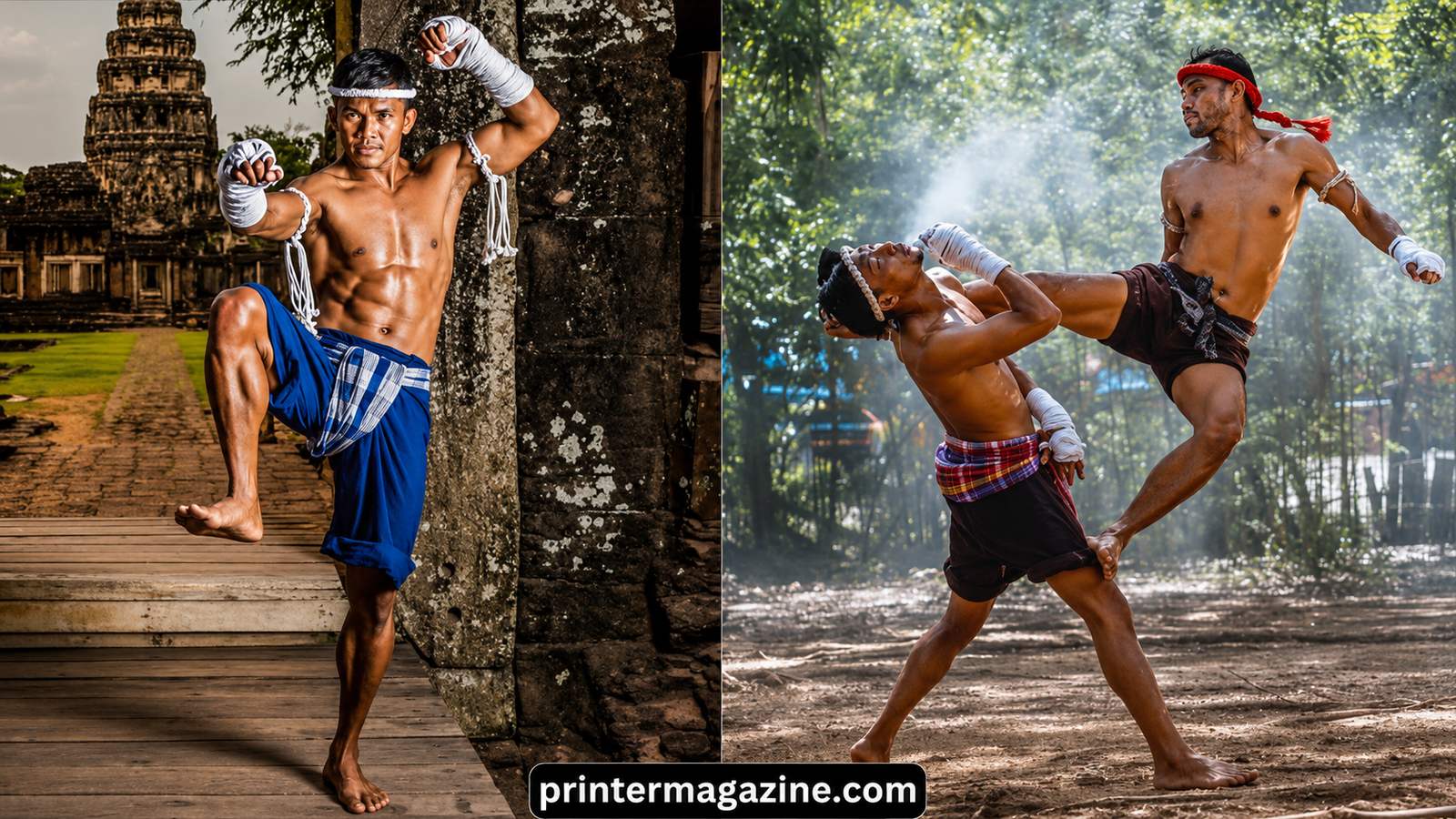
Muay Thai is much more than a combat sport. It is a centuries-old martial art that combines physical power, mental discipline, cultural heritage, and strategic thinking into one dynamic practice. Known as the “Art of Eight Limbs,” Muay Thai uses fists, elbows, knees, and shins as natural weapons, creating one of the world’s most effective and respected striking systems.
Whether you’re looking to improve fitness, learn self-defense, compete professionally, or simply understand the history behind this fascinating martial art, Muay Thai offers something valuable for everyone. From beginners stepping into a gym for the first time to experienced athletes refining their techniques, every training session builds confidence, endurance, and resilience.
This comprehensive guide explores everything from the origins of Muay Thai to training methods, equipment, health benefits, competition rules, and practical tips for getting started.
What Is Muay Thai?
Muay Thai is Thailand’s national martial art and combat sport. Unlike traditional boxing, which primarily uses punches, Muay Thai incorporates eight striking points:
- Two fists
- Two elbows
- Two knees
- Two shins and feet
This combination makes it one of the most versatile striking arts ever developed.
Originally created for battlefield combat centuries ago, it gradually evolved into an organized sport while preserving many cultural traditions. Today, millions of people practice Muay Thai worldwide for fitness, competition, and personal development.
Rather than relying solely on strength, practitioners learn timing, balance, precision, distance management, and tactical decision-making.
Quick Overview of Muay Thai
| Feature | Details |
|---|---|
| Origin | Thailand |
| Also Known As | Art of Eight Limbs |
| Primary Techniques | Punches, kicks, knees, elbows |
| Main Goal | Striking and scoring points or knockout |
| Suitable For | Beginners to professionals |
| Training Focus | Fitness, self-defense, discipline |
| Olympic Status | Growing international recognition |
The History of Muay Thai
The roots of Muay Thai stretch back hundreds of years. Ancient Thai warriors developed hand-to-hand combat techniques when weapons became unavailable during battle.
As peace replaced warfare, these fighting skills transformed into competitive contests held during festivals and royal celebrations. Fighters earned respect through courage, technical skill, and sportsmanship.
Over time, standardized rules improved athlete safety. Protective gloves replaced rope hand wraps, weight classes were introduced, and modern boxing rings became standard.
Despite modernization, many traditions remain alive today. Ceremonies performed before matches honor teachers, family members, and generations of fighters who preserved the art.
Why Muay Thai Is Called the Art of Eight Limbs
Many martial arts emphasize either hands or feet. Muay Thai uniquely combines eight striking weapons.
Punches
Punches establish combinations, create openings, and control distance. Straight punches, hooks, and uppercuts remain fundamental.
Elbows
Elbows generate tremendous power in close-range exchanges. Their sharp angles make them highly effective inside the clinch.
Knees
Knees target the body, ribs, and occasionally the head during clinch situations. Proper knee strikes combine balance with explosive hip movement.
Kicks
Roundhouse kicks delivered with the shin produce incredible impact. Fighters often target legs, ribs, and head depending on range and opportunity.
The seamless transition between these techniques creates one of the most complete striking systems in martial arts.
Essential Muay Thai Techniques
Learning proper technique takes patience and repetition. Every movement contributes to offense, defense, and balance.
Fighting Stance
A balanced stance provides stability while allowing quick movement in every direction.
Beginners often focus on keeping their hands high, chin tucked, and feet shoulder-width apart. Proper posture protects vulnerable areas while preparing for attacks.
Footwork
Excellent footwork determines whether strikes land effectively.
Instead of crossing feet or overreaching, experienced practitioners move efficiently while maintaining balance. Small adjustments often outperform large movements.
Defensive Skills
Defense includes much more than blocking punches.
Students learn to:
- Check kicks using the shin
- Slip punches
- Block elbows
- Control distance
- Counterattack efficiently
Good defense conserves energy while creating scoring opportunities.
Understanding the Muay Thai Clinch
The clinch separates Muay Thai from many striking sports.
Rather than simply tying up an opponent, fighters actively work for advantageous positions.
Inside the clinch, athletes attempt to:
- Deliver knees
- Off-balance opponents
- Control posture
- Create elbow opportunities
Mastering clinch techniques requires strength, timing, leverage, and experience.
Physical Benefits of Muay Thai
Training consistently transforms the body in multiple ways.
Cardiovascular Endurance
Intense pad work, bag training, sparring, and conditioning dramatically improve heart and lung capacity.
Many participants notice greater stamina in everyday life after only a few months.
Full-Body Strength
Every strike recruits multiple muscle groups.
The legs generate power while the core transfers force and the upper body completes each movement. This coordinated effort develops functional athletic strength.
Weight Management
High-intensity sessions burn significant calories.
Combined with healthy nutrition, Muay Thai supports long-term weight management while preserving lean muscle mass.
Flexibility
Dynamic stretching and repeated kicking improve hip mobility and overall flexibility, reducing stiffness over time.
Mental Benefits Beyond the Gym
The greatest transformation often occurs mentally.
Regular practice teaches patience because techniques require time to master.
Training also builds:
- Self-confidence
- Emotional control
- Discipline
- Focus
- Resilience
Many practitioners describe Muay Thai as moving meditation because every session demands complete concentration.
Learning to remain calm under pressure often transfers into school, work, and everyday challenges.
Typical Muay Thai Training Session
Every gym follows its own approach, but most classes include similar components.
Warm-Up
Training begins with light jogging, jump rope, mobility drills, and dynamic stretching.
These exercises prepare muscles while reducing injury risk.
Technical Practice
Students practice combinations with partners, coaches, or heavy bags.
Repetition develops muscle memory and improves accuracy.
Pad Work
Pad sessions allow coaches to simulate realistic fighting situations.
Athletes work on speed, timing, power, and conditioning simultaneously.
Sparring
Controlled sparring helps students apply techniques against moving opponents.
Respect and safety remain priorities during training.
Conditioning
Classes often finish with exercises like push-ups, sit-ups, squats, medicine ball drills, and core workouts.
Equipment Needed for Beginners
Starting Muay Thai requires relatively little equipment.
| Equipment | Purpose |
|---|---|
| Boxing Gloves | Hand protection during training |
| Hand Wraps | Wrist and knuckle support |
| Shin Guards | Protection during sparring |
| Mouthguard | Protects teeth and jaw |
| Muay Thai Shorts | Allows unrestricted movement |
| Ankle Supports | Optional joint stability |
| Water Bottle | Hydration throughout training |
High-quality equipment improves comfort and safety while lasting much longer.
Muay Thai vs. Kickboxing
Although they appear similar, important differences exist.
| Feature | Muay Thai | Kickboxing |
|---|---|---|
| Elbows | Allowed | Often prohibited |
| Knees | Allowed | Limited in many rulesets |
| Clinch | Major component | Usually restricted |
| Cultural Traditions | Strong emphasis | Less traditional |
| Primary Style | Complete striking | Faster combinations |
Both sports develop excellent striking skills, but Muay Thai places greater emphasis on clinch work and elbow techniques.
Muay Thai for Self-Defense
Many people begin training for personal safety.
The practical nature of Muay Thai develops:
- Quick reactions
- Distance awareness
- Defensive movement
- Confidence under stress
However, experienced instructors consistently emphasize avoidance over confrontation.
The greatest self-defense victory is preventing dangerous situations whenever possible.
Nutrition and Recovery
Training intensity demands proper recovery.
Balanced meals containing lean protein, complex carbohydrates, healthy fats, fruits, and vegetables support performance.
Hydration remains equally important.
Sleep plays a crucial role because muscles recover and adapt during rest rather than training itself.
Ignoring recovery often slows progress and increases injury risk.
Common Beginner Mistakes
Nearly everyone makes similar mistakes during their first months.
Trying to strike too hard usually reduces technique.
Holding the breath limits endurance.
Dropping the hands leaves the face exposed.
Rushing combinations often sacrifices balance and accuracy.
The fastest improvement comes from mastering fundamentals before pursuing advanced techniques.
Professional Muay Thai Competition
Professional bouts showcase remarkable athleticism.
Matches typically consist of multiple timed rounds judged on effective striking, balance, ring control, and overall technique.
Elite fighters spend years developing their skills before reaching the highest levels.
Championship events attract international audiences and continue expanding the sport’s global popularity.
How to Choose a Good Muay Thai Gym
Finding the right training environment matters as much as personal dedication.
Look for experienced instructors who prioritize safety, technique, and respectful learning.
A welcoming atmosphere helps beginners progress comfortably without unnecessary pressure.
Observing a class before joining often provides valuable insight into coaching quality and gym culture.
Is Muay Thai Suitable for Everyone?
Most healthy adults can enjoy Muay Thai regardless of previous athletic experience.
Training intensity can usually be adjusted according to age, fitness level, and personal goals.
Children often develop coordination and discipline through beginner programs.
Older adults frequently appreciate the cardiovascular and mobility benefits when training under qualified supervision.
Consistency matters far more than natural talent.
The Future of Muay Thai
The sport continues growing across every continent.
Modern training facilities, international competitions, and digital coaching resources have introduced millions of new participants to Thailand’s national martial art.
At the same time, traditional ceremonies and cultural values remain central to preserving its identity.
This balance between history and innovation ensures that Muay Thai continues inspiring future generations.
Conclusion
Muay Thai represents far more than striking techniques inside a ring. It combines history, culture, athletic performance, and personal growth into one rewarding discipline. From improving physical fitness and learning practical self-defense to building confidence and mental resilience, its benefits extend well beyond training sessions.
Whether the goal is recreational fitness, competitive success, or lifelong personal development, consistent practice delivers lasting results. Progress may come gradually, but every lesson builds stronger skills, healthier habits, and greater self-belief. With proper instruction, patience, and dedication, Muay Thai can become a lifelong journey that strengthens both body and mind.
Frequently Asked Questions (FAQs)
1. Is Muay Thai suitable for complete beginners?
Yes. Most gyms offer beginner-friendly classes that teach fundamentals safely. No previous martial arts experience is required.
2. How long does it take to become good at Muay Thai?
Basic techniques can be learned within a few months, while advanced skills require years of consistent training and practice.
3. Can Muay Thai help with weight loss?
Yes. Regular training burns a high number of calories while improving cardiovascular fitness and building lean muscle.
4. Is Muay Thai dangerous?
Like any contact sport, there is some risk. Proper coaching, protective equipment, and controlled training greatly reduce the chances of injury.
5. How often should beginners train?
Training two to three times per week provides an excellent foundation while allowing enough time for recovery and steady improvement.