
Introduction
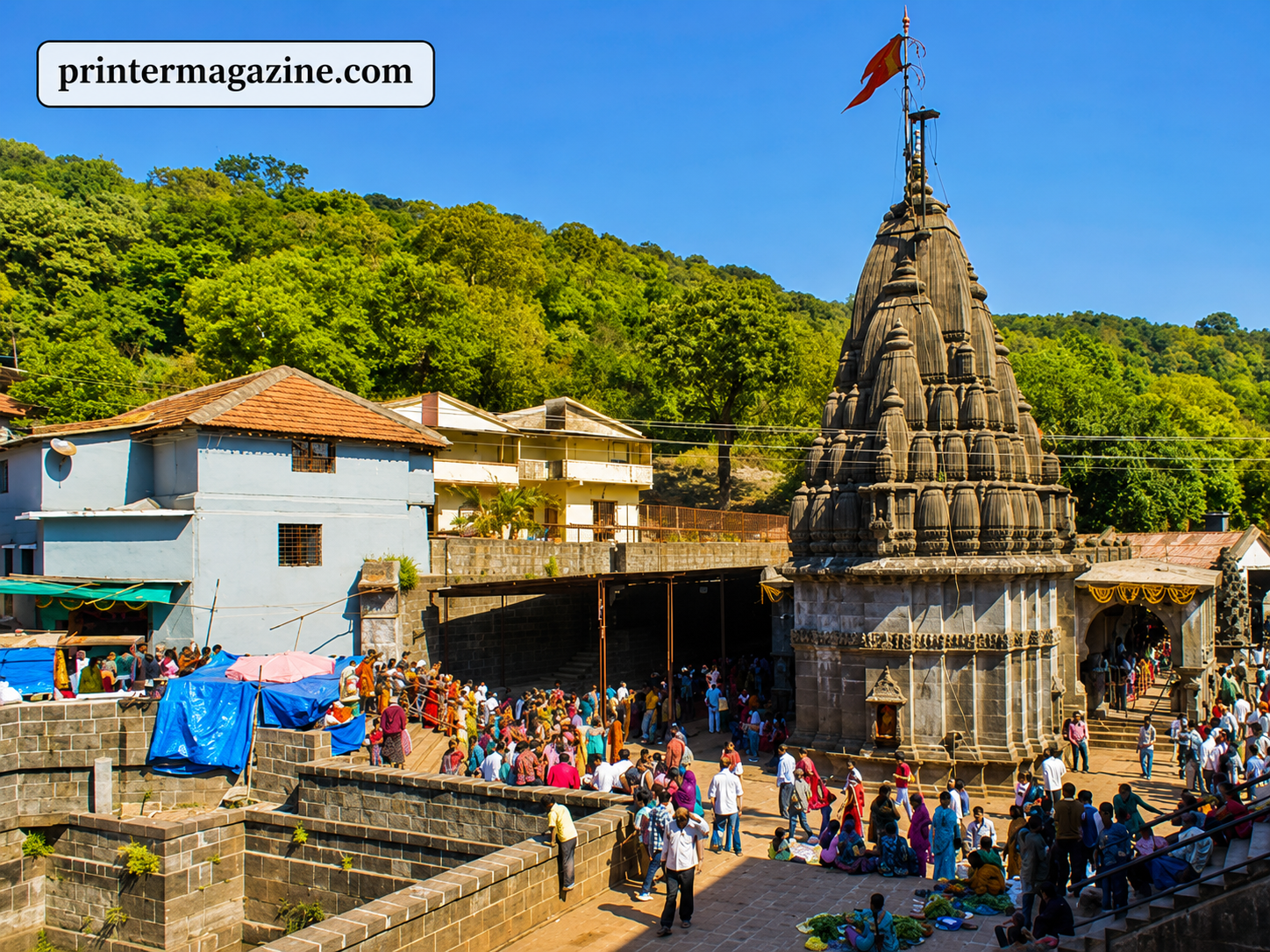
Bhimashankar Mandir is one of India’s most revered Hindu temples, attracting millions of devotees and travelers every year. Nestled amid the lush forests of the Sahyadri Hills in Maharashtra, this ancient shrine is celebrated as one of the twelve sacred Jyotirlingas dedicated to Lord Shiva. The temple is much more than a place of worship. It is a unique blend of spirituality, mythology, remarkable architecture, breathtaking natural beauty, and centuries of living tradition.
Whether you’re planning a pilgrimage, exploring India’s cultural heritage, or simply curious about the legends surrounding this sacred destination, this comprehensive guide covers everything you need to know. From its fascinating history and mythological significance to travel tips, festivals, architecture, and nearby attractions, this article provides valuable insights into one of India’s most treasured spiritual landmarks.
| Quick Information | Details |
|---|---|
| Temple Name | Bhimashankar Mandir |
| Deity | Lord Shiva (Jyotirlinga) |
| Location | Pune District, Maharashtra, India |
| Elevation | Around 3,250 feet (990 meters) |
| Religious Importance | One of the 12 Jyotirlingas |
| Architectural Style | Nagara Architecture |
| Best Time to Visit | October to February |
| Nearby City | Pune |
| Famous Festival | Maha Shivaratri |
The Spiritual Importance of Bhimashankar Mandir
Bhimashankar Mandir occupies a special place in Hindu tradition because it is recognized as one of the twelve Jyotirlingas, where Lord Shiva is believed to have manifested in the form of an eternal pillar of divine light. Visiting these sacred shrines is considered highly auspicious and is believed to bring spiritual growth, inner peace, and divine blessings.
RED MORE: Carolin Bacic: Life, Family, Relationship, and Private Journey
For centuries, pilgrims from every corner of India have undertaken the journey to seek Lord Shiva’s grace. The temple’s peaceful setting within dense forests creates an atmosphere that naturally encourages meditation, prayer, and reflection. Unlike many crowded urban temples, this sacred site allows visitors to experience spirituality alongside the beauty of nature.
Many devotees believe that sincere prayers offered here help remove obstacles, strengthen faith, and provide courage during difficult times. This enduring belief has kept the temple at the heart of religious life for generations.
History of Bhimashankar Mandir
The history of Bhimashankar Mandir is a fascinating combination of mythology, historical development, and architectural evolution. Although the exact construction date remains uncertain, historians believe that parts of the present temple were built during the medieval period, while several additions were made by later rulers.
The Maratha Empire played a significant role in preserving and expanding the temple complex. Prominent leaders and local rulers contributed to renovations and maintenance, ensuring that the shrine remained an important center of worship.
Over time, Bhimashankar Mandir evolved into both a major pilgrimage destination and an architectural treasure. Its ancient stone carvings continue to reflect the craftsmanship of artisans who dedicated their skills to creating a lasting monument of devotion.
The Mythological Story Behind Bhimashankar Mandir
One of the most captivating aspects of Bhimashankar Mandir is the legend associated with its origin.
According to Hindu mythology, a powerful demon named Bhima performed intense penance and received extraordinary strength. Empowered by his newfound abilities, he began terrorizing sages, devotees, and innocent people across the region.
Unable to bear the suffering, the devotees prayed to Lord Shiva for protection. Responding to their heartfelt prayers, Lord Shiva appeared and fought a fierce battle against the demon. After defeating Bhima, Shiva manifested himself as a Jyotirlinga at the very place where the battle occurred.
It is believed that the sweat generated during this divine battle gave rise to the Bhima River, which continues to flow through the surrounding region. This beautiful legend symbolizes the victory of righteousness over evil and reinforces the temple’s spiritual significance.
Architecture of Bhimashankar Mandir
The temple showcases classic Nagara-style architecture, distinguished by intricate carvings, elegant proportions, and durable stone construction.
Although modest in size compared to some of India’s larger temple complexes, every section reflects exceptional artistic detail. The beautifully carved pillars, decorative motifs, and sculpted walls demonstrate the remarkable craftsmanship of medieval artisans.
The sanctum houses the sacred Jyotirlinga, where devotees offer prayers throughout the day. The temple’s peaceful interior encourages quiet devotion rather than grand spectacle, allowing visitors to connect deeply with the spiritual atmosphere.
Several restoration efforts over the centuries have helped preserve the original beauty while maintaining the temple’s historical authenticity.
Why Bhimashankar Mandir Is One of the Twelve Jyotirlingas
The twelve Jyotirlingas hold immense importance in Hindu worship because they represent Lord Shiva’s infinite cosmic energy.
Each Jyotirlinga has its own unique legend, geographical setting, and spiritual significance. Bhimashankar Mandir stands apart because it combines sacred mythology with one of India’s richest forest ecosystems.
Many pilgrims undertake journeys covering all twelve Jyotirlingas during their lifetime. Completing this spiritual circuit is regarded as an act of great devotion and personal transformation.
For many visitors, reaching Bhimashankar is not merely about completing a pilgrimage but about experiencing serenity amid nature while strengthening their faith.
The Beautiful Location of Bhimashankar Mandir
One of the temple’s greatest attractions is its spectacular location in the Sahyadri mountain range.
Surrounded by dense forests, mist-covered hills, waterfalls, and wildlife, the temple offers visitors an unforgettable experience. During the monsoon season, the landscape transforms into a vibrant green paradise filled with flowing streams and fresh mountain air.
The peaceful environment naturally complements the spiritual purpose of the temple. Many visitors spend extra time simply enjoying the silence and natural beauty before or after offering prayers.
The surrounding forests also provide habitat for numerous birds, butterflies, and native animals, making the journey equally rewarding for nature lovers.
Bhimashankar Wildlife Sanctuary
Adjacent to the temple lies the famous Bhimashankar Wildlife Sanctuary, one of Maharashtra’s most important protected forest regions.
The sanctuary is home to diverse plant and animal species, including the Indian giant squirrel, which serves as the state’s official animal. Visitors may also encounter deer, monkeys, numerous bird species, and an impressive variety of medicinal plants.
The coexistence of a sacred pilgrimage site and a protected wildlife habitat creates a unique destination where spirituality and environmental conservation naturally complement one another.
Responsible tourism plays an essential role in preserving this delicate ecosystem for future generations.
| Sanctuary Highlights | Information |
|---|---|
| Forest Type | Evergreen and Semi-evergreen |
| Famous Animal | Indian Giant Squirrel |
| Popular Activities | Nature Walks, Bird Watching, Trekking |
| Best Visiting Season | October to March |
| Nearby Attraction | Bhimashankar Temple |
Festivals Celebrated at Bhimashankar Mandir
The temple comes alive during major Hindu festivals, attracting thousands of devotees from across the country.
Maha Shivaratri
Maha Shivaratri is the grandest celebration at Bhimashankar Mandir. Devotees observe fasts, perform night-long prayers, chant sacred hymns, and participate in special rituals dedicated to Lord Shiva.
Shravan Month
The holy month of Shravan is another significant period. Every Monday during this month witnesses large gatherings of pilgrims carrying sacred water for ritual offerings.
Kartik Purnima
This festival also attracts many devotees who believe that prayers offered on this auspicious day bring prosperity, spiritual progress, and peace.
These celebrations transform the temple into a vibrant center of devotion while preserving centuries-old traditions.
Daily Rituals and Worship
Daily worship follows established traditions that have been maintained for generations.
Priests perform multiple rituals beginning early in the morning and continuing until evening. Devotees participate by offering flowers, milk, sacred leaves, fruits, and prayers to Lord Shiva.
The temple atmosphere remains calm and organized despite receiving thousands of visitors, allowing everyone to experience meaningful worship.
Witnessing these rituals provides visitors with a deeper understanding of Hindu devotional practices and temple traditions.
Best Time to Visit Bhimashankar Mandir
Each season offers a different experience.
Winter, from October through February, provides pleasant weather with comfortable temperatures for sightseeing and trekking.
The monsoon months create breathtaking scenery with waterfalls, mist-covered forests, and lush greenery. However, heavy rainfall can make roads slippery, requiring extra caution during travel.
Summer is comparatively warmer, although mornings and evenings remain suitable for temple visits.
Many experienced travelers consider winter the ideal season because it combines favorable weather with excellent visibility and comfortable trekking conditions.
How to Reach Bhimashankar Mandir
The temple is well connected to major cities in Maharashtra.
Pune serves as the nearest major city, located roughly 110 kilometers away. Visitors can hire taxis, use public buses, or drive through scenic mountain roads.
Mumbai also provides convenient access, with a road journey of approximately 220 kilometers.
The nearest railway stations are Pune and Karjat, while Pune Airport serves as the closest major airport for domestic and international travelers.
The journey itself becomes part of the experience, with winding roads offering magnificent views of hills, forests, and valleys.
Trekking Opportunities Around the Temple
Adventure enthusiasts often combine their pilgrimage with trekking.
Several trails lead through forests, streams, and mountain landscapes before reaching the temple. These routes range from beginner-friendly walks to moderately challenging hikes.
The trek allows visitors to appreciate the natural surroundings while gradually approaching the sacred shrine, creating a memorable blend of physical activity and spiritual fulfillment.
Proper footwear, sufficient water, and weather awareness contribute to a safe and enjoyable experience.
Local Culture and Traditions
The villages surrounding the temple preserve rich Maharashtrian traditions rooted in hospitality, devotion, and respect for nature.
Local residents actively participate in temple festivals and continue many customs passed down through generations. Visitors often experience traditional food, regional music, and simple village life alongside their pilgrimage.
This cultural richness enhances the overall experience by connecting travelers with the living heritage that surrounds the temple.
Tips for First-Time Visitors
A few practical suggestions can make the visit more comfortable:
- Dress modestly, carry comfortable walking shoes, stay hydrated, and check weather conditions before traveling.
- Respect temple customs, avoid littering, maintain silence inside the sanctum, and help preserve the surrounding forest environment.
Following these simple practices ensures a respectful and enjoyable experience for everyone.
Interesting Facts About Bhimashankar Mandir
Many fascinating details make the temple even more remarkable.
The temple sits within one of Maharashtra’s most ecologically significant forest reserves. Its location combines spiritual heritage with remarkable biodiversity.
Unlike many famous temples situated in busy cities, Bhimashankar offers a peaceful mountain environment where visitors can disconnect from everyday distractions.
Its mythology, architecture, natural surroundings, and religious importance together create a destination that appeals equally to pilgrims, historians, photographers, and nature enthusiasts.
Conclusion
Bhimashankar Mandir represents far more than an ancient temple. It stands as a timeless symbol of faith, resilience, cultural heritage, and harmony between spirituality and nature. As one of the twelve sacred Jyotirlingas, it continues to inspire millions of devotees who seek blessings, inner peace, and a deeper connection with Lord Shiva.
Its captivating mythology, elegant architecture, breathtaking forest setting, and vibrant traditions make every visit meaningful and memorable. Whether your purpose is pilgrimage, historical exploration, or simply experiencing the tranquility of the Sahyadri Hills, Bhimashankar Mandir offers an enriching journey that leaves a lasting impression. By respecting the temple’s customs and protecting its surrounding environment, every visitor can help preserve this sacred treasure for future generations.
Frequently Asked Questions (FAQs)
1. Why is Bhimashankar Mandir famous?
Bhimashankar Mandir is famous because it is one of the twelve sacred Jyotirlingas of Lord Shiva. It is also known for its beautiful forest location and rich mythological heritage.
2. Where is Bhimashankar Mandir located?
The temple is located in Pune District, Maharashtra, within the Sahyadri Hills and close to the Bhimashankar Wildlife Sanctuary.
3. What is the best time to visit Bhimashankar Mandir?
The best time to visit is from October to February when the weather is cool and pleasant. Monsoon is also beautiful but requires extra caution because of heavy rainfall.
4. Is trekking required to reach the temple?
No. The temple can be reached by road, although several trekking routes are available for visitors who enjoy hiking through the surrounding forests.
5. Which festival is celebrated most prominently at Bhimashankar Mandir?
Maha Shivaratri is the biggest festival celebrated at the temple. Thousands of devotees gather to participate in special prayers, rituals, and night-long worship dedicated to Lord Shiva.