Introduction
Nails are more than just a small part of our hands and feet; they reflect personal care, health habits, style choices, and overall hygiene. Healthy nails can boost confidence, complete a professional appearance, and even provide early signs of certain health changes. Whether you’re interested in improving nail strength, exploring beauty trends, or learning proper maintenance, understanding how grow and what they need is essential.
Many people focus only on nail polish, designs, or salon treatments, but true nail care begins beneath the surface. The condition of your depends on nutrition, daily habits, protection, and consistent care. In this guide, you’ll discover everything from nail structure and common problems to practical care routines, beauty options, and ways to maintain stronger, healthier naturally.
Understanding the Structure and Purpose of Nails
Nails are made from a strong protein called keratin, which is also found in hair and skin. They grow from an area beneath the skin called the nail matrix, where new nail cells are created. As these cells mature, they push forward and form the visible nail plate.
RED MORE: Advance Australia Fair Lyrics: Meaning, History, and National Pride
Although nails may appear simple, they have several important parts that work together. The nail plate is the hard surface we see, while the nail bed underneath provides support and nourishment. The cuticle protects the area where the nail begins and prevents bacteria from entering.
Beyond appearance, serve practical purposes. They help protect fingertips and toes, improve sensitivity when touching objects, and make everyday tasks like scratching, picking up small items, and opening packages easier.
The Importance of Healthy Nails
Healthy nails are usually smooth, firm, and consistent in color. Changes in texture, thickness, or appearance can sometimes indicate poor habits or underlying concerns. While every person’s are different, maintaining good care habits helps prevent many common issues.
Strong nails are not created overnight. They require patience because fingernails grow slowly, usually taking several months to completely replace themselves. Consistent protection and nourishment are key factors in improving their condition.
| Nail Feature | Healthy Appearance | Possible Concern |
|---|---|---|
| Color | Natural pink tone | Yellowing or unusual discoloration |
| Texture | Smooth surface | Ridges, cracks, or peeling |
| Strength | Firm but flexible | Frequent breaking |
| Growth | Regular growth pattern | Sudden changes |
Common Nail Problems and Their Causes
Many people experience nail problems at some point. Some issues develop because of environmental exposure, while others result from daily habits. Understanding the causes makes prevention much easier.
Brittle and Weak Nails
Brittle nails often break, split, or peel easily. Frequent exposure to water, harsh cleaning products, and excessive use of nail removers can weaken the protective layers. Cold weather and dehydration may also contribute to dryness.
To improve strength, avoid constantly soaking your hands, wear gloves during household cleaning, and use moisturizing products regularly. Giving time without artificial enhancements can also help them recover.
Discolored Nails
Changes in nail color can happen for several reasons. Dark nail polish, smoking, infections, or certain health conditions may cause discoloration. A temporary change is often harmless, but sudden or unusual changes should not be ignored.
Keeping nails clean, allowing them to breathe between polish applications, and maintaining proper hygiene can help preserve their natural appearance.
Nail Care Routine for Stronger Nails
A simple routine can make a noticeable difference in nail health. Many people believe expensive treatments are required, but basic habits often provide the best results.
Start by keeping nails clean and dry. Moisture trapped under nails can encourage unwanted problems. Trim nails regularly using clean tools and avoid cutting them too deeply, especially around the corners.
Moisturizing is another important step. Just like skin needs hydration, nails and cuticles benefit from regular moisture. Applying hand cream or cuticle oil helps prevent dryness and cracking.
A good nail care routine includes:
- Keeping nails trimmed and clean
- Protecting hands from harsh chemicals
- Avoiding biting or picking nails
Nails and Beauty Trends
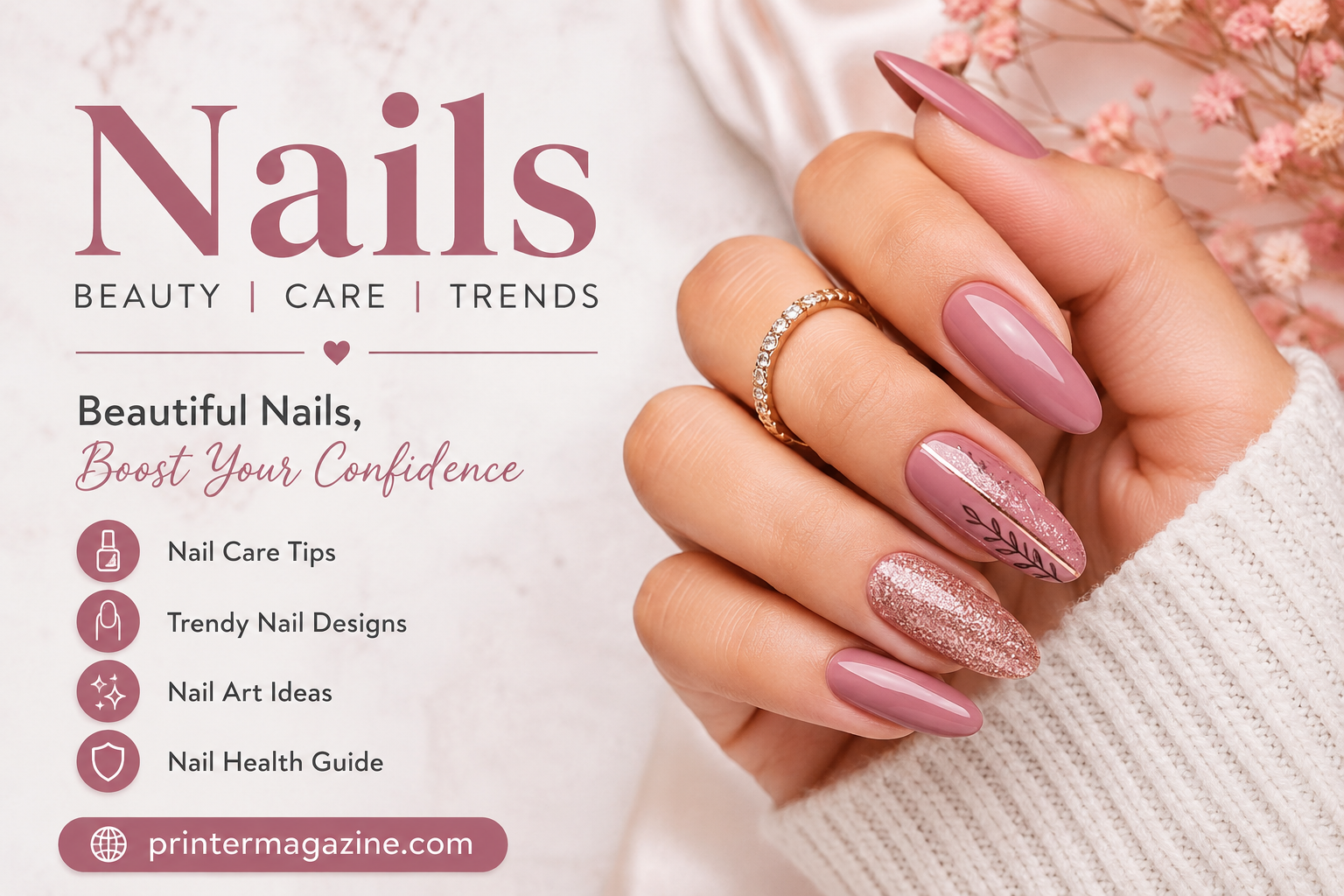
Nails have become an important part of personal style. From simple natural looks to creative artistic designs, people use nail treatments as a way to express personality and creativity.
Modern nail fashion includes gel polish, acrylic extensions, minimalist designs, and seasonal colors. While these options can create beautiful results, they should be used carefully. Frequent chemical treatments without proper breaks may weaken natural nails.
A balanced approach is best. Enjoy beauty treatments while maintaining healthy habits underneath. A stylish appearance is most impressive when it comes with strong, well-maintained .
Natural Ways to Support Nail Growth
Healthy growth depends on several lifestyle factors. Nutrition plays a major role because nails need essential nutrients to develop properly.
Protein-rich foods, vitamins, and minerals support nail formation. Drinking enough water also helps prevent dryness. Additionally, reducing stress and getting proper rest can contribute to better overall body function.
Some helpful habits include:
- Eating a balanced diet with enough protein
- Protecting nails from unnecessary damage
- Avoiding excessive use of harsh products
Natural improvement requires consistency. Small daily actions often create better results than occasional intensive treatments.
Professional Nail Treatments: Benefits and Risks
Professional salons offer many services designed to improve appearance. Manicures, pedicures, extensions, and specialized treatments can provide polished results for special occasions or personal enjoyment.
However, salon safety matters. Tools should be properly cleaned, and technicians should follow hygienic practices. Poor sanitation can increase the risk of infections.
Artificial enhancements can also affect natural nail strength if removed incorrectly. Gentle removal methods and occasional breaks help maintain healthier nails over time.
How Nails Reflect Overall Wellness
Nails can sometimes provide clues about general wellness. While they cannot diagnose health conditions alone, noticeable changes may be worth discussing with a healthcare professional.
For example, unusual texture changes, sudden color shifts, or significant growth changes can sometimes appear alongside other body changes. Paying attention to your nails is simply another way to stay aware of your health.
Choosing the Right Nail Products
The products you use can influence nail condition. Not all polishes, removers, and treatments are the same. Some formulas may be gentler and better suited for people with sensitive or weak nails.
Look for moisturizing ingredients and avoid excessive use of harsh removers. Quality tools also matter because damaged files or unclean clippers can create unnecessary problems.
The best products are those that support both appearance and long-term nail health.
Nail Care Mistakes to Avoid
Many common habits can slowly damage nails. Biting , peeling polish aggressively, and using as tools may lead to weakness or injuries.
Another mistake is ignoring cuticle care. Cuticles provide protection, so cutting them too aggressively can increase the chance of irritation. Gentle maintenance is always a better approach.
Small changes in daily behavior can protect nails and keep them looking attractive for longer.
Conclusion
Nails are an important part of personal care, beauty, and overall wellness. Although they may seem like a small detail, they require attention and protection to remain healthy. From understanding nail structure to following simple maintenance habits, anyone can improve their nail condition with consistent care.
The best approach combines hygiene, proper nutrition, safe beauty practices, and patience. Healthy nails are not only attractive but also represent good self-care habits. By making thoughtful choices every day, you can maintain stronger, cleaner, and more beautiful nails for the long term.
Frequently Asked Questions (FAQs)
1. How can I make my nails stronger naturally?
Strong nails improve through balanced nutrition, regular moisturizing, proper trimming, and avoiding harsh chemicals. Consistency is more important than quick treatments.
2. How often should I trim my nails?
Most people benefit from trimming nails every one to two weeks. The ideal schedule depends on personal growth speed and lifestyle.
3. Why do nails become brittle and break easily?
Brittle nails can result from dryness, frequent water exposure, harsh products, or nutritional issues. Moisturizing and protection often help improve strength.
4. Are gel and acrylic nails harmful?
Gel and acrylic nails are generally safe when applied and removed correctly. Overuse or improper removal can weaken natural nails.
5. Can nails show signs of health problems?
Sometimes nail changes may reflect body changes, but nails alone cannot confirm a condition. Persistent or unusual changes should be professionally evaluated.