Introduction
Missing teeth can affect much more than appearance. They can make eating difficult, change the way you speak, and reduce your confidence in social situations. Fortunately, all on 4 dental implants have transformed the way full-mouth tooth replacement is performed. Instead of replacing every missing tooth with an individual implant, this innovative technique uses just four strategically placed implants to support a complete arch of natural-looking replacement teeth.
Whether you’ve lost teeth because of aging, gum disease, injury, or severe decay, this treatment offers a long-lasting solution that feels stable and functions like natural teeth. In this guide, you’ll learn how the procedure works, who qualifies, the benefits and drawbacks, costs, recovery expectations, maintenance tips, and frequently asked questions to help you make an informed decision.
What Are All-on-4 Dental Implants?
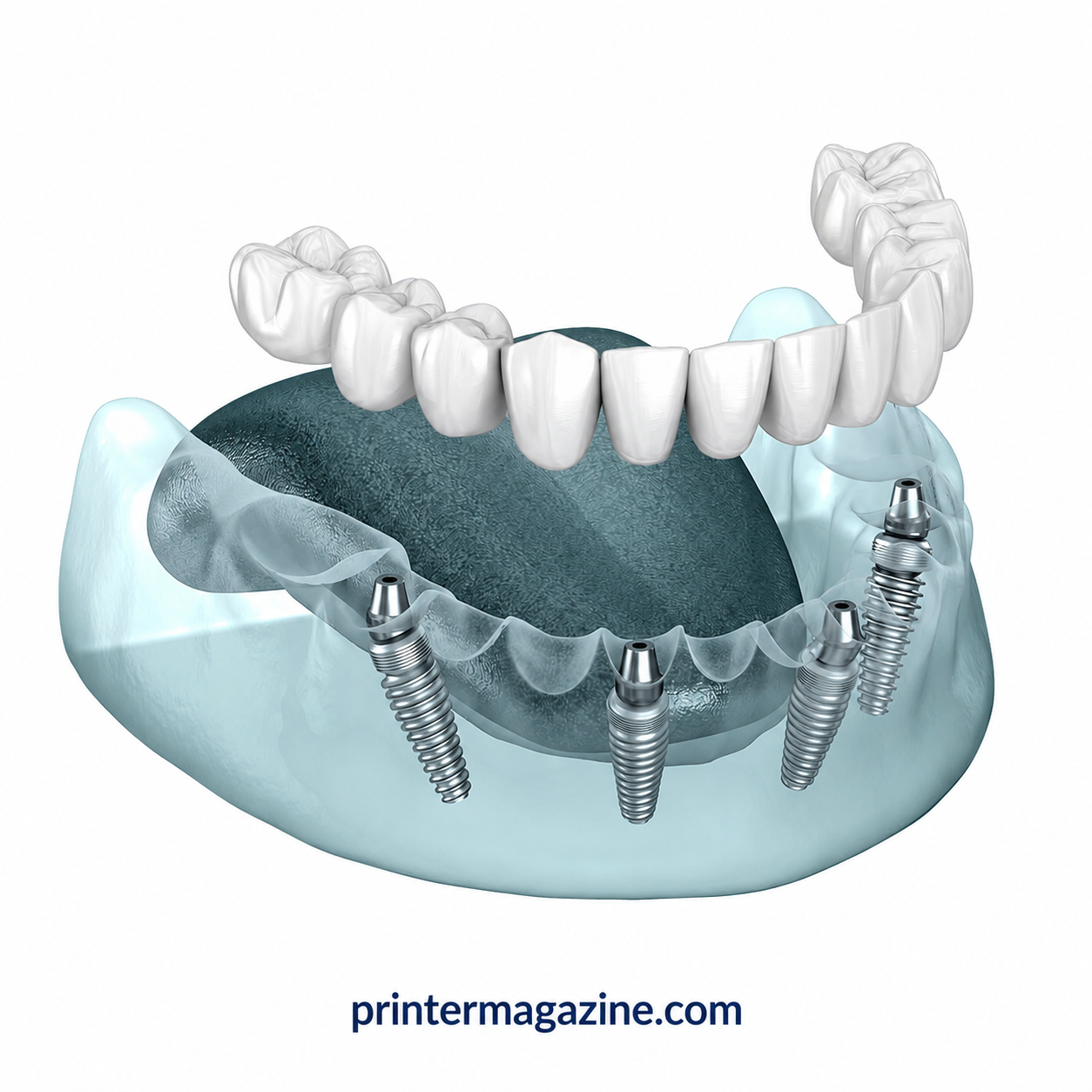
All on 4 dental implants are a full-mouth restoration method that replaces an entire upper or lower set of teeth using only four dental implants. These implants are surgically placed into the jawbone, where they act as sturdy anchors for a permanent dental bridge.
Unlike traditional dentures, which rest on the gums and may shift while eating or speaking, implant-supported teeth remain securely attached. Two implants are typically positioned vertically at the front of the jaw, while the two rear implants are placed at an angle to maximize bone support and avoid critical anatomical structures.
This approach often eliminates the need for extensive bone grafting, making treatment available to more patients.
RED MORE: General Achievement Test: A Complete Guide to Purpose, Format, and Success
Quick Overview
| Feature | Details |
|---|---|
| Procedure | Four implants support one full arch |
| Teeth Replaced | Upper or lower full arch |
| Typical Treatment Time | Same-day temporary teeth possible |
| Implant Material | Medical-grade titanium |
| Final Restoration | Custom porcelain or zirconia bridge |
| Lifespan | 15–25+ years with proper care |
| Maintenance | Daily brushing, flossing, professional cleanings |
How Do All-on-4 Dental Implants Work?
The concept is surprisingly simple but highly effective. Instead of placing an implant for every missing tooth, dentists use four carefully positioned implants that distribute biting forces across the jaw.
After detailed imaging and treatment planning, the implants are surgically inserted into areas with the strongest available bone. A temporary bridge is often attached on the same day, allowing patients to leave the clinic with functional teeth.
Over the following months, the implants naturally fuse with the jawbone through a biological process called osseointegration. Once healing is complete, the temporary bridge is replaced with a custom-designed permanent restoration that closely resembles natural teeth.
Why Four Implants Are Enough
Many people wonder how only four implants can support an entire arch.
The answer lies in biomechanics. The front implants provide direct support while the angled rear implants create a wider foundation that distributes chewing pressure evenly across the jaw.
This design increases stability, reduces stress on each implant, and often avoids anatomical structures like the sinus cavity or lower jaw nerves.
Think of it like building a bridge. Properly placed support pillars can safely hold a large structure without needing dozens of columns.
Who Is a Good Candidate?
Most adults missing all or most of their teeth may qualify for this procedure.
Good candidates generally include people who:
- Have multiple failing or missing teeth.
- Want a fixed alternative to removable dentures.
- Have sufficient jawbone for implant placement.
- Maintain good oral hygiene.
- Are healthy enough for routine oral surgery.
Individuals with uncontrolled diabetes, severe gum disease, heavy smoking habits, or certain medical conditions may require additional evaluation before treatment.
A thorough dental examination with three-dimensional imaging determines whether the treatment is appropriate.
Benefits of All-on-4 Dental Implants
Natural Appearance
One of the greatest advantages is the realistic appearance. Modern restorations are carefully customized to match facial features, smile shape, and natural tooth color.
Many people report looking years younger because implant-supported teeth restore proper facial support.
Improved Comfort
Unlike removable dentures, implants become part of the jaw. There is no slipping, clicking, or need for adhesives.
Patients often forget they’re wearing prosthetic teeth because they feel remarkably natural.
Better Chewing Ability
Traditional dentures may limit food choices, especially harder foods.
With implant-supported teeth, patients can comfortably enjoy foods like apples, steak, nuts, and fresh vegetables after complete healing.
Preservation of Jawbone
When teeth are missing, the jawbone gradually shrinks because it no longer receives stimulation from tooth roots.
Dental implants stimulate the bone during chewing, helping preserve facial structure and reducing bone loss.
Long-Term Durability
With proper care, implants can last decades. While the bridge may eventually require maintenance or replacement due to normal wear, the implants themselves often remain functional for many years.
Comparing Treatment Options
| Feature | All-on-4 Implants | Traditional Dentures | Individual Implants |
|---|---|---|---|
| Stability | Excellent | Moderate | Excellent |
| Bone Preservation | High | Low | High |
| Removable | No | Yes | No |
| Comfort | Excellent | Fair | Excellent |
| Eating Ability | Nearly Natural | Limited | Nearly Natural |
| Number of Implants | Four | None | One Per Tooth |
| Treatment Cost | Moderate to High | Low | Highest |
The Treatment Process Step by Step
Initial Consultation
Everything begins with a comprehensive examination.
The dentist reviews medical history, evaluates oral health, performs digital scans, and discusses treatment goals.
This planning stage determines implant positioning and identifies whether extractions or other procedures are needed.
Tooth Removal
If damaged teeth remain, they’re usually removed during the implant appointment.
This allows immediate preparation for implant placement.
Implant Surgery
Four titanium implants are inserted into predetermined locations.
Modern surgical techniques and local anesthesia help keep patients comfortable throughout the procedure.
Many people describe less discomfort than they expected.
Temporary Teeth
A temporary bridge is commonly attached the same day.
Although softer foods are recommended during healing, patients can smile confidently immediately after surgery.
Healing Phase
Over three to six months, the implants bond with the jawbone.
This creates an exceptionally stable foundation.
Permanent Restoration
After healing, the temporary bridge is replaced with a highly durable custom restoration designed for long-term function and aesthetics.
Recovery After Surgery
Recovery varies between individuals, but most patients experience mild swelling, bruising, and tenderness for several days.
Following post-operative instructions greatly improves healing.
Patients are generally advised to:
- Eat soft foods during early recovery.
- Take prescribed medications as directed.
- Avoid smoking during healing.
- Keep the mouth clean using recommended cleaning methods.
- Attend scheduled follow-up appointments.
Many people return to desk work within a few days, although strenuous activities should be postponed temporarily.
Eating With Implant-Supported Teeth
One exciting milestone is enjoying favorite foods again.
Initially, patients follow a soft-food diet while implants heal.
Gradually, they transition back to normal eating habits under professional guidance.
Once fully healed, most patients can comfortably enjoy foods including:
- Fresh fruits
- Lean meats
- Salads
- Bread
- Rice
- Pasta
- Nuts
- Vegetables
The improved chewing efficiency often contributes to better nutrition and overall health.
Caring for Your New Smile
Daily care remains essential despite having artificial teeth.
The implants themselves cannot develop cavities, but surrounding gum tissue must remain healthy.
A proper care routine includes brushing twice daily with a soft toothbrush, cleaning beneath the bridge using specialized tools, and scheduling professional cleanings at recommended intervals.
Many dentists also recommend water flossers to remove food particles around implant-supported restorations.
Consistent maintenance significantly increases the longevity of the implants.
Potential Risks and Complications
Although success rates are very high, every surgical procedure carries some risks.
Possible complications include infection, implant failure, temporary swelling, bleeding, nerve irritation, or delayed healing.
Fortunately, careful treatment planning, experienced clinicians, and good oral hygiene greatly reduce these risks.
Following all aftercare instructions is one of the most effective ways to support successful healing.
How Long Do All-on-4 Dental Implants Last?
The titanium implants themselves often last 20 years or longer, and many continue functioning for a lifetime.
The attached bridge typically lasts between 10 and 20 years depending on the material used, bite forces, oral hygiene, and routine maintenance.
Regular dental visits allow minor issues to be corrected before they become major problems.
Understanding the Cost
The total cost varies considerably depending on geographic location, materials, diagnostic imaging, tooth extractions, sedation, and the complexity of the case.
Although the initial investment is higher than traditional dentures, many patients consider the improved comfort, stability, appearance, and long-term durability worthwhile.
When evaluating treatment, it’s helpful to consider lifetime value rather than only the upfront expense.
Common Myths About All-on-4 Dental Implants
Several misconceptions prevent people from exploring this treatment.
One common myth is that implants are only suitable for younger adults. In reality, healthy older adults often achieve excellent outcomes.
Another misunderstanding is that the procedure is extremely painful. Modern anesthesia and minimally invasive techniques have significantly improved patient comfort.
Some people also believe implants require constant replacement. While restorations may eventually need maintenance, properly integrated implants frequently remain functional for decades.
Finally, many assume insufficient bone automatically disqualifies them. The angled implant design often allows successful treatment even when bone volume is reduced.
Choosing the Right Dental Provider
Selecting an experienced provider is one of the most important decisions during treatment.
Look for professionals with extensive implant experience, advanced diagnostic technology, transparent communication, and a strong portfolio of completed cases.
Don’t hesitate to ask questions about expected outcomes, materials, maintenance requirements, and follow-up care.
A well-informed patient is more likely to enjoy a successful long-term result.
Life After Treatment
Many patients describe implant-supported teeth as life changing.
Simple daily activities become easier. Eating favorite meals, smiling confidently in photographs, speaking clearly during conversations, and participating in social events often feel natural again.
Improved confidence can positively influence both personal relationships and professional interactions.
While every patient’s experience is unique, restoring oral function frequently improves overall quality of life.
Conclusion
All on 4 dental implants represent one of the most significant advances in modern restorative dentistry. By replacing an entire arch of missing teeth with just four strategically placed implants, this treatment offers stability, comfort, durability, and a natural appearance that traditional dentures often cannot match.
Although the procedure requires careful planning and a financial investment, many patients find the long-term benefits well worth it. With proper daily care, regular professional maintenance, and healthy lifestyle habits, implant-supported teeth can provide decades of confident smiles and reliable function.
If you’re considering a permanent solution for extensive tooth loss, discussing your options with an experienced implant professional is an excellent first step toward restoring both your smile and your confidence.
Frequently Asked Questions (FAQs)
1. How long does the All-on-4 procedure take?
The implant surgery is often completed in a single day, and many patients receive temporary teeth immediately. Final restorations are typically placed after three to six months of healing.
2. Is the procedure painful?
Local anesthesia keeps patients comfortable during surgery. Mild soreness and swelling afterward are common but usually manageable with prescribed medications and proper aftercare.
3. Can smokers receive All-on-4 dental implants?
Smoking increases the risk of implant complications and slower healing. Some smokers still qualify, but reducing or quitting tobacco use significantly improves treatment success.
4. How should I clean implant-supported teeth?
Brush twice daily, clean beneath the bridge with recommended tools, use a water flosser if advised, and attend regular professional cleanings to keep the surrounding gums healthy.
5. Are All-on-4 dental implants worth the investment?
For many patients, the improved comfort, stability, chewing ability, appearance, and long-term durability make them a valuable alternative to removable dentures.