Introduction
A bright smile can improve confidence, create a positive first impression, and make people feel more comfortable in social and professional situations. Sbiancamento denti, or teeth whitening, has become one of the most popular cosmetic dental treatments because it helps remove stains and restore the natural brightness of teeth. Whether discoloration comes from coffee, tea, smoking, aging, or certain medications, modern whitening techniques offer safe and effective solutions.
This guide explains everything you need to know about sbiancamento denti, including how it works, available treatment options, benefits, possible risks, aftercare, costs, and practical tips for maintaining long-lasting results.
What Is Sbiancamento Denti?
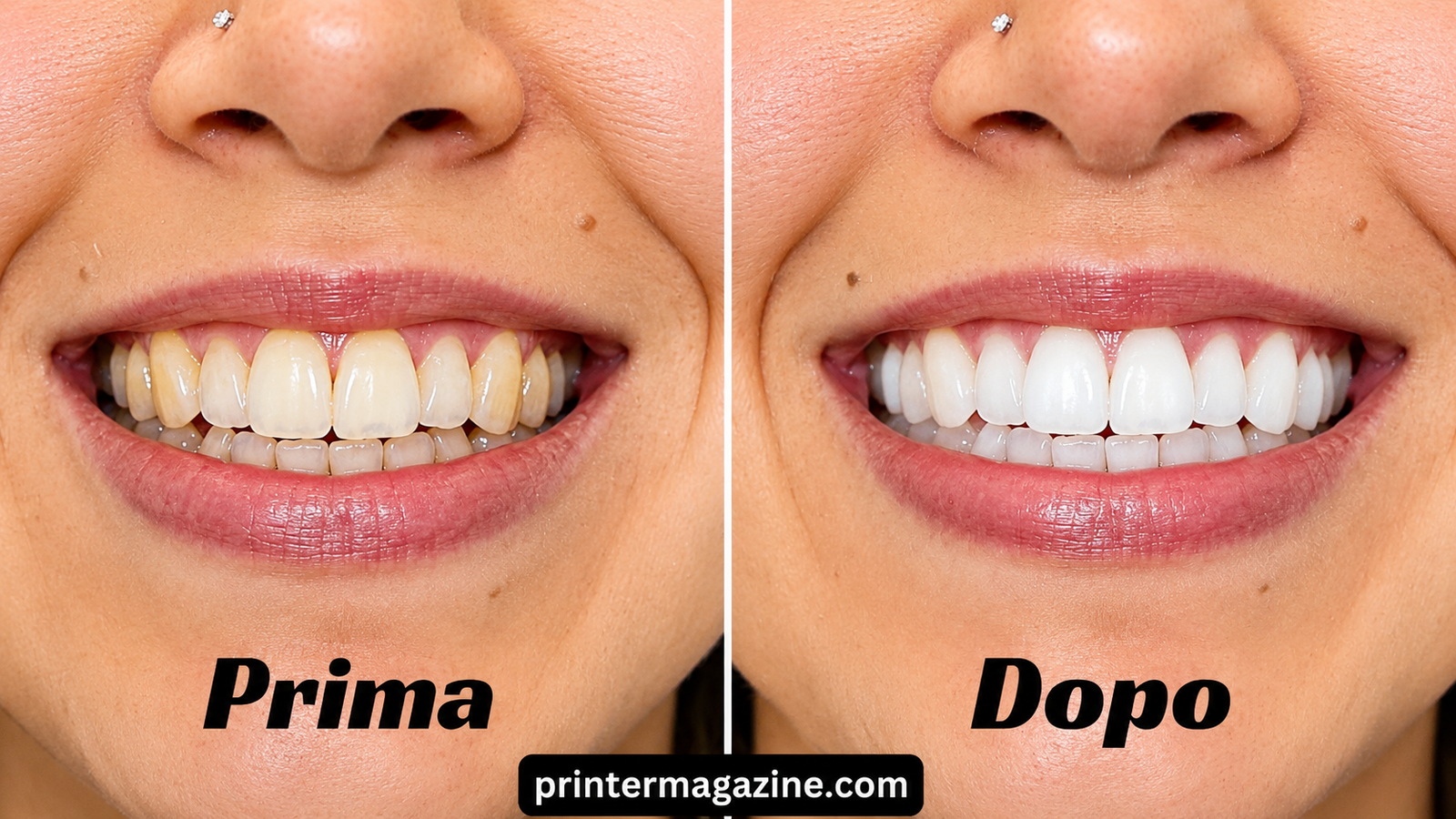
Sbiancamento denti is a cosmetic dental procedure designed to lighten the color of natural teeth by removing stains and discoloration. Unlike dental cleaning, which removes plaque and tartar, whitening targets pigments that have become embedded within the tooth enamel.
Professional treatments use whitening agents such as hydrogen peroxide or carbamide peroxide. These ingredients break down stain molecules, allowing teeth to appear noticeably whiter. The treatment does not damage healthy enamel when performed correctly and according to professional recommendations.
Many people choose whitening before weddings, job interviews, graduation ceremonies, or other important life events because a brighter smile often increases self-confidence.
Common Causes of Tooth Discoloration
Understanding why teeth become stained helps you choose the most suitable whitening method.
Food and Drinks
Coffee, black tea, red wine, berries, and dark-colored soft drinks contain pigments that gradually stain tooth enamel.
Smoking
Nicotine and tobacco leave yellow or brown stains that become more difficult to remove over time.
Aging
As people age, enamel naturally becomes thinner, exposing the darker dentin underneath and making teeth appear less white.
Poor Oral Hygiene
Irregular brushing and flossing allow stains and plaque to accumulate on the tooth surface.
Medications
Some antibiotics and medical treatments may cause tooth discoloration, especially when taken during childhood.
Types of Sbiancamento Denti
Different whitening options are available depending on your goals, budget, and dental condition.
Professional In-Office Whitening
This treatment is performed by a dentist using high-concentration whitening gel.
Advantages include:
- Fast results in one appointment
- Professional supervision
- Reduced risk of gum irritation
- Even whitening across all visible teeth
Many patients notice teeth becoming several shades lighter after just one visit.
Take-Home Whitening Kits
Dentists may also provide custom trays with professional whitening gel.
These trays fit perfectly over your teeth, allowing even application while reducing gum irritation. Results usually appear after one to three weeks of regular use.
Over-the-Counter Products
Whitening toothpaste, strips, and gels are widely available.
Although these products may help remove mild surface stains, they usually provide slower and less dramatic results than professional treatments.
Comparison of Whitening Methods
| Whitening Method | Treatment Time | Results | Best For |
|---|---|---|---|
| Professional clinic treatment | 1 session | Excellent | Fast noticeable whitening |
| Dentist take-home trays | 1–3 weeks | Very good | Gradual professional results |
| Whitening strips | 2–4 weeks | Moderate | Mild discoloration |
| Whitening toothpaste | Daily use | Mild | Surface stain maintenance |
Benefits of Sbiancamento Denti
The popularity of sbiancamento denti continues to grow because it offers several important advantages.
Improved Confidence
A brighter smile often helps people feel more comfortable during conversations, photographs, presentations, and social events.
Younger Appearance
White teeth are commonly associated with youth and vitality. Even a small improvement can refresh your overall appearance.
Non-Invasive Procedure
Unlike veneers or crowns, whitening usually requires no drilling or permanent changes to the teeth.
Quick Results
Professional whitening can deliver visible improvements in less than an hour.
Who Is a Good Candidate?
Most adults with healthy teeth and gums are suitable candidates.
Whitening works particularly well for people with yellow stains caused by aging, food, beverages, or smoking.
However, treatment may not be ideal for everyone.
Individuals with untreated cavities, gum disease, severe tooth sensitivity, or extensive dental restorations should consult a dentist before beginning whitening.
Pregnant and breastfeeding women are generally advised to postpone cosmetic whitening treatments.
Does Whitening Work on Crowns or Fillings?
This is one of the most common questions patients ask.
The answer is no.
Whitening products only affect natural tooth enamel. Crowns, veneers, bridges, and composite fillings will not change color during treatment.
If existing restorations become noticeably darker than newly whitened teeth, replacement may be recommended for cosmetic balance.
Is Sbiancamento Denti Safe?
When performed correctly, sbiancamento denti is considered safe.
Professional treatments are carefully controlled to protect gums and tooth enamel.
Some people experience temporary sensitivity after treatment. This usually disappears within one or two days.
Using whitening products too frequently or ignoring instructions may increase sensitivity and irritate the gums.
For this reason, professional advice is always recommended before beginning treatment.
How to Prepare for Whitening
Proper preparation improves both comfort and results.
A dental examination helps identify cavities, cracked fillings, or gum disease that should be treated first.
Professional cleaning removes plaque and tartar, allowing whitening agents to contact the enamel more effectively.
Patients should also discuss previous sensitivity with their dentist to choose the safest whitening concentration.
Caring for Your Teeth After Whitening
The first 48 hours are especially important.
Freshly whitened enamel can temporarily absorb pigments more easily.
Dentists usually recommend avoiding:
- Coffee
- Tea
- Red wine
- Cola
- Tobacco
- Dark sauces
Instead, choose lighter-colored foods such as rice, chicken, yogurt, milk, bananas, and pasta with white sauce.
Maintaining excellent oral hygiene also helps preserve results for a longer period.
How Long Do Results Last?
The longevity of whitening depends largely on lifestyle habits.
Someone who drinks multiple cups of coffee every day or smokes regularly may notice stains returning sooner.
People who maintain good oral hygiene and limit staining foods often enjoy results for one to three years before needing a touch-up treatment.
Occasional maintenance whitening can help preserve brightness without excessive treatment.
Common Myths About Teeth Whitening
Many misconceptions surround whitening treatments.
Myth 1: Whitening Damages Teeth
Professional whitening does not damage healthy enamel when used correctly.
Myth 2: The Whiter, the Better
Extremely white teeth may appear unnatural. The best results enhance your natural smile while maintaining harmony with your facial features.
Myth 3: Whitening Works Forever
No whitening treatment is permanent. Lifestyle habits continue to influence tooth color over time.
Myth 4: Whitening Toothpaste Gives Professional Results
Whitening toothpaste mainly removes surface stains and cannot achieve the same level of whitening as professional treatments.
Factors That Affect Whitening Success
Several factors influence final results.
The original shade of the teeth, age, type of stains, enamel thickness, and daily habits all play important roles.
Yellow stains generally respond better than gray or brown discoloration caused by medications or trauma.
Realistic expectations are essential because every smile responds differently.
Conclusion
Sbiancamento denti is one of the safest and most effective cosmetic dental treatments for improving the appearance of natural teeth. Whether performed in a dental clinic or through professionally supervised home treatments, whitening can noticeably enhance your smile while boosting confidence.
The best results come from choosing the right treatment, maintaining excellent oral hygiene, and reducing habits that cause staining. Consulting a qualified dentist ensures the procedure is appropriate for your dental health and helps achieve bright, natural-looking results that last.
Frequently Asked Questions (FAQs)
1. How long does sbiancamento denti last?
Results typically last between one and three years, depending on oral hygiene, diet, and smoking habits.
2. Is teeth whitening painful?
Most people experience little or no discomfort. Some temporary sensitivity may occur but usually disappears within 24–48 hours.
3. Can everyone have teeth whitening?
Most healthy adults are suitable candidates, but people with untreated dental problems should seek professional evaluation first.
4. Does whitening remove all stains?
Whitening is highly effective for many common stains but may not completely remove discoloration caused by certain medications or dental injuries.
5. How can I keep my teeth white after treatment?
Brush twice daily, floss regularly, avoid smoking, limit dark-colored drinks, and attend regular dental checkups to maintain long-lasting results.