
Introduction
The balaclava is one of the most versatile pieces of headwear ever created. Whether you’re facing freezing mountain winds, riding a motorcycle, working outdoors, skiing, hiking, or simply looking for additional face protection from harsh weather, a balaclava offers comfort, warmth, and practicality. Despite its simple appearance, this garment has a fascinating history and has evolved into an essential accessory for athletes, military personnel, outdoor workers, and fashion enthusiasts alike.
Over the years, the balaclava has transformed from a purely functional winter garment into a modern wardrobe item seen in sports, tactical gear, outdoor adventures, and even luxury fashion collections. Understanding its purpose, materials, benefits, and proper usage helps consumers make informed choices while appreciating its historical significance. This guide explores everything worth knowing about balaclavas, from their origins to selecting the perfect one for your needs.
Balaclava Information at a Glance
| Feature | Details |
|---|---|
| Product Name | Balaclava |
| Primary Purpose | Head, neck, and face protection |
| Common Materials | Merino wool, fleece, polyester, cotton, silk blends |
| Typical Users | Skiers, cyclists, military personnel, hikers, workers |
| Weather Suitability | Cold, windy, snowy, and dusty environments |
| Coverage | Head, neck, ears, and sometimes the entire face |
| Main Benefits | Warmth, comfort, wind resistance, versatility |
What Is a Balaclava?
A balaclava is a close-fitting piece of headwear that covers the head, neck, and often much of the face while leaving openings for the eyes, nose, or mouth depending on its design. Unlike traditional hats, it provides complete protection from cold air, snow, and strong wind.
RED MORE: Premiekalkulator V75: A Complete Guide to Smarter Horse Racing Cost Planning
Modern versions come in several configurations. Some cover only the neck and lower face, while others provide full-face protection with multiple openings. Manufacturers also design lightweight models for cycling and running alongside insulated versions for winter sports.
The beauty of a balaclava lies in its flexibility. It can often be worn as a neck gaiter, face mask, hood, or beanie depending on the situation, making it one of the most adaptable accessories available.
The History Behind the Balaclava
The name originates from the Battle of Balaclava during the Crimean War in 1854. British troops faced extremely cold weather while stationed near the town of Balaclava. To protect themselves from freezing temperatures, knitted wool head coverings became widely used.
Families back home reportedly knitted these garments and shipped them to soldiers. Their practical design proved so effective that they continued to be used long after the conflict ended.
Since then, the balaclava has remained an essential item for military forces, explorers, mountaineers, emergency responders, and outdoor workers operating in harsh climates.
Why People Wear a Balaclava
Protection Against Cold Weather
The primary purpose is insulation. Heat escapes rapidly through the head and neck, making these areas especially important during winter. Covering them significantly improves comfort and helps maintain body temperature.
Unlike ordinary hats, a balaclava seals exposed skin around the ears, cheeks, and neck where cold wind can quickly become uncomfortable.
Wind Resistance
Wind chill often feels colder than the actual temperature. A properly fitted covering creates an additional protective barrier that reduces direct exposure to icy air.
Cyclists and motorcyclists especially appreciate this feature during long rides.
Snow and Ice Protection
Skiers and snowboarders frequently encounter blowing snow that can sting exposed skin. Full-face models reduce discomfort while helping goggles fit securely.
Combined with helmets, they create a highly effective cold-weather system.
Dust and Environmental Protection
Outdoor workers, construction crews, hikers, and trail riders often use lightweight versions to minimize exposure to dust, sand, and airborne particles.
Although not intended as medical equipment, they can provide a practical layer between the face and environmental debris.
Types of Balaclavas
Full-Face Design
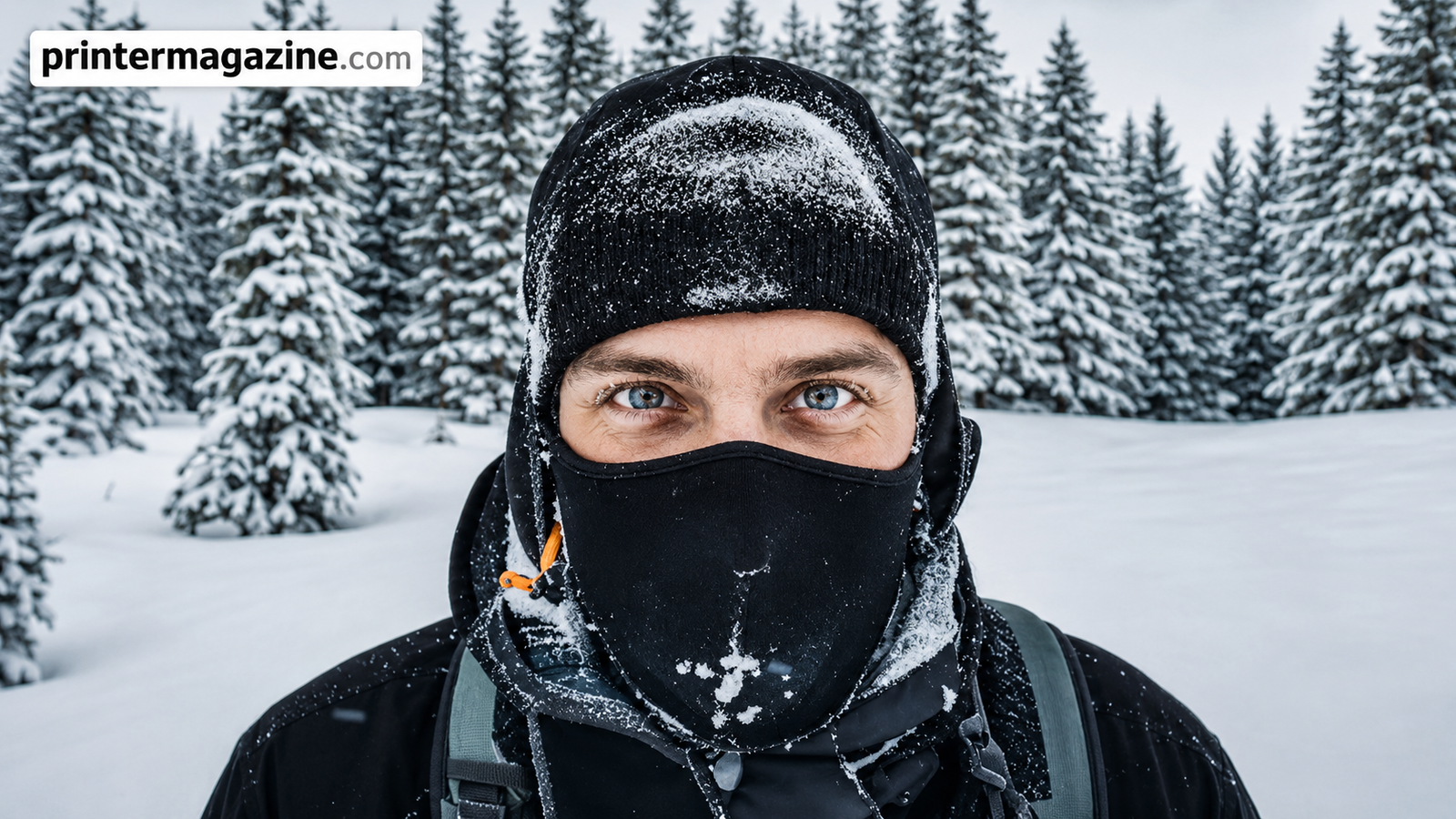
This version covers nearly the entire head and face while leaving only the eyes exposed. It offers maximum warmth and is popular among skiers, military personnel, and winter adventurers.
Open-Face Design
These models expose the entire face while protecting the head and neck. They are comfortable during moderately cold conditions where full facial coverage isn’t necessary.
Hinged Design
A hinged style allows the face covering to be pulled down quickly without removing the entire garment. This flexibility makes it useful during changing weather conditions.
Convertible Models
Convertible options transform into several different styles, including:
- Neck gaiter
- Beanie
- Hood
- Face covering
- Scarf
Their versatility makes them ideal for travel and outdoor recreation.
Common Materials Used
Different fabrics perform better under different conditions.
| Material | Best For | Advantages |
|---|---|---|
| Merino Wool | Extreme cold | Warm, breathable, naturally odor resistant |
| Fleece | Winter sports | Soft, insulated, comfortable |
| Polyester | Everyday use | Durable, lightweight, quick drying |
| Cotton | Mild temperatures | Comfortable, affordable |
| Silk Blend | Layering | Lightweight and smooth under helmets |
Selecting the right material depends on weather, activity level, and personal comfort preferences.
Balaclava for Winter Sports
Winter athletes depend on reliable clothing that keeps them comfortable without restricting movement.
A balaclava works exceptionally well for:
- Skiing
- Snowboarding
- Snowmobiling
- Ice climbing
- Mountaineering
- Winter hiking
Because it fits closely beneath helmets, it doesn’t interfere with protective equipment. Moisture-wicking materials also help reduce sweat buildup during physically demanding activities.
Professional guides often recommend carrying two versions during long expeditions so a dry replacement is always available.
Everyday Outdoor Activities
Not everyone wears one for extreme sports.
Many people appreciate it during:
Morning walks in freezing temperatures become much more enjoyable with warm ears and protected cheeks. Dog owners often discover they spend significantly more time outdoors when dressed comfortably.
Early commuters, runners, cyclists, and delivery workers also benefit from lightweight options that block cold wind without causing overheating.
Even photographers working outdoors for extended periods frequently rely on one to remain comfortable while waiting for the perfect shot.
Motorcycle Riders and Cyclists
Helmet comfort improves dramatically with the right head covering.
A thin balaclava creates a smooth layer between the helmet and skin. This reduces friction, absorbs perspiration, and improves overall hygiene by keeping helmet interiors cleaner.
Long-distance riders especially appreciate the added wind protection around the neck, where cold air often enters jackets.
Cyclists riding during winter mornings experience less facial discomfort while maintaining excellent visibility.
Military and Tactical Applications
Military organizations around the world have used these garments for generations.
Their practical advantages include warmth, camouflage compatibility, and protection against harsh environmental conditions. Tactical versions often feature flame-resistant fabrics designed for specialized operational requirements.
Law enforcement officers, rescue teams, and emergency responders may also wear similar designs during severe weather or specialized operations where environmental protection is essential.
Fashion and Streetwear Influence
Over the past decade, the balaclava has entered mainstream fashion in unexpected ways.
Luxury designers, independent brands, and streetwear labels have introduced colorful knitted versions featuring oversized patterns, textured fabrics, and bold designs. Rather than serving only as winter protection, these versions function as fashion statements.
Celebrities and influencers have helped popularize modern interpretations, making them visible during fashion weeks and seasonal collections.
This shift demonstrates how practical clothing can evolve into cultural expression while retaining its original purpose.
Choosing the Right Balaclava
Finding the ideal option depends largely on intended use.
Cold-weather adventurers should prioritize insulation, while runners benefit from breathable synthetic fabrics that manage moisture efficiently.
Fit also matters. A garment that feels too tight may become uncomfortable after hours of wear, whereas a loose fit can allow cold air inside.
Consider factors such as helmet compatibility, breathability, washing requirements, drying time, and seasonal climate before making a purchase.
Investing in higher-quality materials often results in greater durability and improved comfort over many years.
Caring for Your Balaclava
Proper maintenance extends the life of any garment.
Most synthetic versions are machine washable using cold water and gentle detergent. Wool products usually require more delicate care to preserve their natural fibers.
Avoid excessive heat during drying because it may shrink certain materials or reduce elasticity.
Storing it completely dry prevents unpleasant odors and helps preserve fabric quality.
Regular cleaning also improves hygiene, especially after strenuous physical activity.
Common Myths About Balaclavas
Many misconceptions surround this simple garment.
Some believe it is only suitable for extremely cold climates. In reality, lightweight versions work well in mild conditions by blocking wind and dust.
Another misconception is that they are uncomfortable. Modern stretch fabrics provide excellent breathability while remaining soft against the skin.
Others assume they are only for athletes. Today, commuters, workers, travelers, and outdoor enthusiasts all benefit from their practical design.
Understanding these facts helps consumers recognize the wide variety of situations where this headwear proves useful.
Environmental Considerations
Many manufacturers now produce sustainable versions using recycled polyester or responsibly sourced merino wool.
These materials reduce environmental impact while maintaining performance.
Consumers increasingly seek products designed for durability rather than frequent replacement. A well-made garment that lasts several winters contributes to reducing unnecessary waste.
Responsible production methods continue shaping the future of outdoor apparel, making eco-conscious choices easier than ever.
Conclusion
The balaclava has earned its place as one of the most practical and adaptable accessories available for cold-weather protection. From its historic origins during the Crimean War to its role in modern sports, outdoor work, motorcycling, and fashion, it continues to serve millions of people across a wide range of environments.
Choosing the right material, fit, and design ensures maximum comfort and performance for your specific activities. Whether you’re preparing for a mountain adventure, commuting through winter mornings, or simply looking for better protection against harsh weather, investing in a quality balaclava can greatly improve your outdoor experience. With proper care, it remains a dependable companion season after season.
Frequently Asked Questions (FAQs)
1. What is the main purpose of a balaclava?
A balaclava protects the head, neck, ears, and face from cold temperatures, wind, and snow. It also provides added comfort during outdoor activities and fits easily under helmets.
2. Can a balaclava be worn in mild weather?
Yes. Lightweight versions made from breathable materials are suitable for cool or windy conditions and help protect against dust and light wind without causing excessive warmth.
3. Which material is best for winter?
Merino wool and fleece are among the best choices for winter because they provide excellent insulation while remaining breathable and comfortable during prolonged outdoor use.
4. Is a balaclava suitable for motorcycle riding?
Absolutely. Many riders wear thin, moisture-wicking models beneath helmets to improve comfort, reduce sweat buildup, and provide extra protection from cold wind.
5. How should a balaclava be cleaned?
Most synthetic fabrics can be machine washed on a gentle cycle with cold water. Wool versions usually require delicate washing according to the manufacturer’s care instructions to maintain their quality.