Introduction
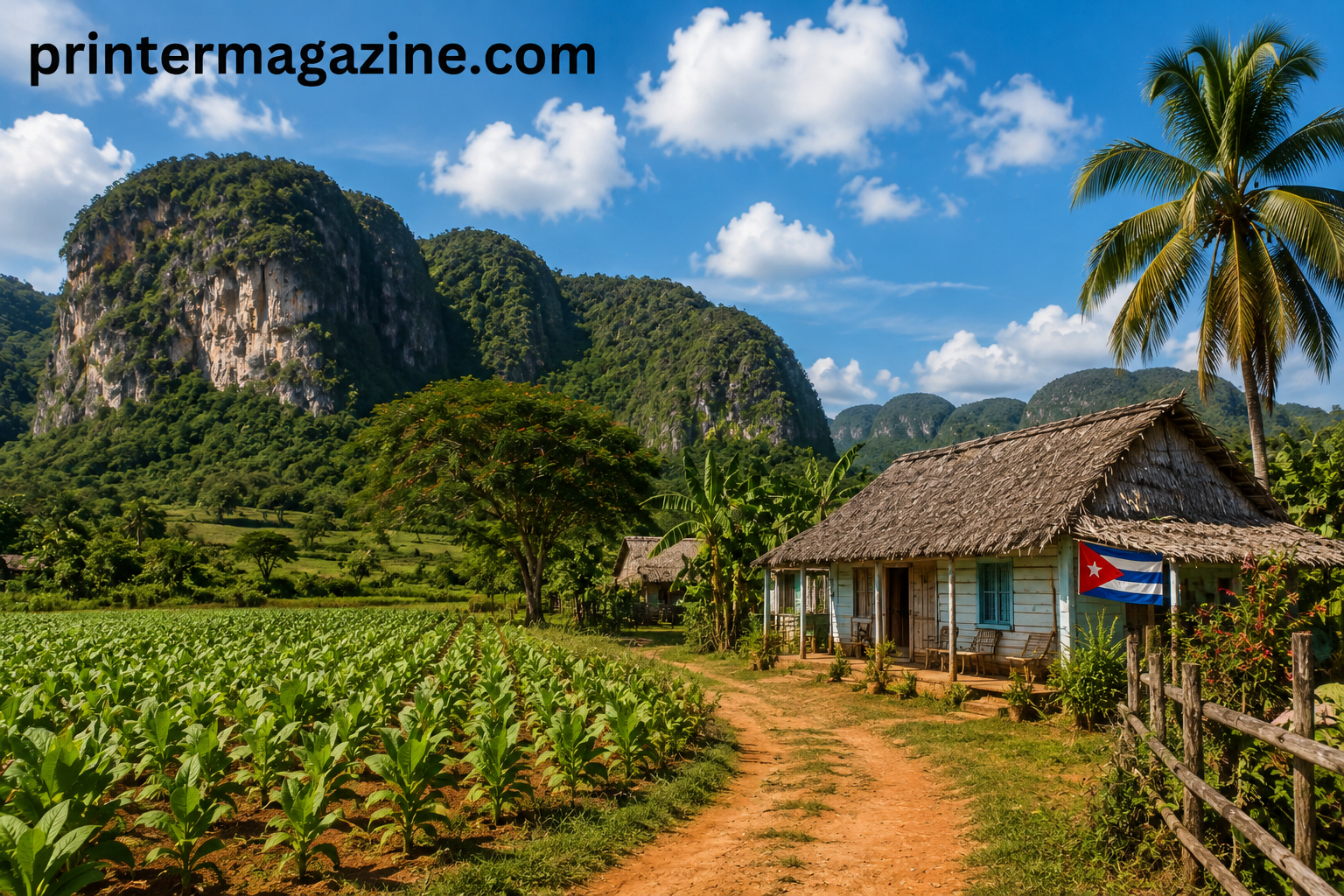
The Cuba countryside offers a side of the island that many travelers never experience. While cities like Havana and Santiago de Cuba attract visitors with colorful streets, classic cars, and lively music, the rural regions reveal a quieter and more authentic way of life. Rolling green hills, tobacco plantations, small villages, horse-drawn carts, and welcoming locals create an unforgettable atmosphere that reflects Cuba’s rich cultural heritage.
Exploring the countryside is more than a sightseeing trip. It is an opportunity to understand how generations of Cuban families have lived, worked, and preserved their traditions despite changing times. From fertile valleys to peaceful farms, every corner tells a story of resilience, community, and respect for nature. Whether you enjoy photography, outdoor adventures, or cultural experiences, the Cuban countryside has something meaningful to offer.
| Quick Facts | Details |
|---|---|
| Country | Cuba |
| Language | Spanish |
| Currency | Cuban Peso (CUP) |
| Best Time to Visit | November to April |
| Famous Rural Areas | Viñales Valley, Escambray Mountains, Pinar del Río |
| Popular Activities | Hiking, horseback riding, farm visits, birdwatching |
Why the Cuba Countryside Is So Special
The charm of rural Cuba comes from its simplicity. Unlike many destinations filled with busy resorts and commercial attractions, the countryside remains largely untouched. Visitors often find themselves surrounded by lush forests, limestone hills known as mogotes, and fields where farmers still use traditional techniques.
RED MORE: Metallica Perth: A Complete Guide to the Legendary Band’s Perth Concert Experience
Life moves at a slower pace here. Children play outside, neighbors gather in town squares, and local markets sell fresh fruits and vegetables grown nearby. This peaceful lifestyle creates a refreshing escape from modern city life.
Another reason travelers appreciate these regions is the genuine hospitality of local families. Many rural homes welcome guests, offering homemade meals prepared with fresh ingredients and stories passed down through generations.
Exploring the Famous Viñales Valley
Among all rural destinations, Viñales Valley stands out as one of the country’s greatest treasures. Surrounded by dramatic limestone formations, this valley has become famous for producing some of the world’s finest tobacco.
Walking through the valley reveals endless green fields, caves, rivers, and scenic viewpoints. Farmers continue to harvest tobacco by hand, dry the leaves in wooden barns, and prepare cigars using techniques that have changed very little over the centuries.
Horseback riding is one of the best ways to explore the area. Riders travel along quiet dirt roads, passing farms, coffee plantations, and breathtaking landscapes that seem frozen in time.
Daily Life in Rural Communities
The Cuba countryside is defined by strong family values and close-knit communities. Most villages remain small, allowing neighbors to know one another personally. Daily routines often begin before sunrise as farmers head to their fields while others prepare fresh bread or open small local shops.
Agriculture remains the backbone of many communities. Families grow tobacco, sugarcane, coffee, bananas, cassava, beans, and tropical fruits. Much of the harvest supports local markets, while some products reach international buyers.
Traditional celebrations also play an important role. Festivals often include folk music, dancing, homemade food, and community gatherings that preserve Cuban customs.
Wildlife and Natural Beauty
Nature lovers discover countless surprises across rural Cuba. The island is home to diverse ecosystems that support colorful birds, butterflies, reptiles, and unique plant species.
Protected national parks preserve forests, wetlands, caves, and mountain landscapes. Birdwatchers especially enjoy spotting species that exist nowhere else in the world.
| Natural Attraction | What Makes It Special |
|---|---|
| Viñales Valley | Limestone hills and tobacco farms |
| Zapata Swamp | Rich wildlife and birdwatching |
| Escambray Mountains | Hiking trails and waterfalls |
| Sierra Maestra | Historic mountains and forests |
These natural environments provide opportunities for hiking, photography, and simply enjoying peaceful surroundings away from crowded tourist areas.
Traditional Farming Practices
Agriculture remains deeply connected to Cuban identity. Many farms continue using methods that rely less on heavy machinery and more on manual labor and animal power.
Oxen still help plow fields in several regions, while tobacco leaves are dried naturally inside wooden curing barns. Coffee is often grown in mountainous areas where shade trees protect the plants from excessive sunlight.
These farming traditions not only preserve history but also create memorable experiences for visitors interested in learning about rural life.
Local Food and Authentic Flavors
One of the greatest pleasures of visiting rural Cuba is enjoying homemade cuisine. Meals are usually prepared with ingredients harvested only hours before reaching the table.
Popular dishes include roasted pork, black beans, white rice, fried plantains, fresh vegetables, cassava, and tropical fruits such as mango, guava, and papaya. Fresh sugarcane juice and Cuban coffee are also favorites among visitors.
Because many ingredients come directly from nearby farms, meals often taste fresher and more flavorful than those found in larger cities.
Outdoor Adventures
Adventure seekers find plenty of activities throughout rural Cuba. Hiking trails wind through valleys, forests, and mountains while offering incredible panoramic views.
Horseback riding allows travelers to reach remote farms and hidden caves that vehicles cannot access. Cycling has also become increasingly popular thanks to the quiet country roads and scenic landscapes.
Nature photography is another rewarding activity. Sunrise and sunset create beautiful lighting across the valleys, making every season ideal for capturing unforgettable images.
Culture and Local Traditions
Music is woven into everyday life throughout Cuba. Even in remote villages, visitors may hear guitars, drums, or traditional Cuban songs during family gatherings and community celebrations.
Handmade crafts also reflect local creativity. Skilled artisans produce woven baskets, pottery, wood carvings, and embroidered textiles using techniques passed down through generations.
Many families proudly share stories about their ancestors, farming heritage, and local customs, helping visitors develop a deeper appreciation for rural Cuban culture.
Travel Tips for Visiting the Cuba Countryside
Planning ahead helps create a more enjoyable experience.
- Visit during the dry season between November and April for comfortable weather.
- Bring cash, comfortable walking shoes, sunscreen, insect repellent, and a camera.
Learning a few Spanish phrases can also make conversations with local residents more enjoyable and meaningful.
Conclusion
The Cuba countryside represents the heart and soul of the island. Beyond its beautiful landscapes lies a world shaped by tradition, hard work, family values, and genuine hospitality. Every valley, mountain, and village offers visitors the chance to experience Cuba from a completely different perspective.
Whether exploring tobacco farms, hiking through national parks, tasting homemade meals, or meeting friendly locals, rural Cuba provides memories that last long after the journey ends. For travelers seeking authenticity instead of crowds, the countryside remains one of the country’s most rewarding destinations.
Frequently Asked Questions (FAQs)
1. What is the best time to visit the Cuba countryside?
The dry season from November to April offers pleasant temperatures and ideal conditions for hiking, sightseeing, and outdoor activities.
2. Which rural area is the most popular in Cuba?
Viñales Valley is widely considered the most famous rural destination because of its scenic landscapes, tobacco farms, and limestone hills.
3. Is the Cuba countryside safe for tourists?
Yes. Most rural areas are peaceful, and local communities are known for their warm hospitality. Travelers should still follow normal safety precautions.
4. What activities can visitors enjoy?
Popular activities include horseback riding, hiking, visiting tobacco farms, birdwatching, photography, cave exploration, and experiencing local culture.
5. What food should travelers try in rural Cuba?
Fresh Cuban coffee, roasted pork, black beans, rice, fried plantains, cassava, tropical fruits, and homemade meals prepared with local ingredients are highly recommended.